

We held our first meeting of 2023 on the 12 January, and we have outlined our plans for this year’s exhibition which is to be the boot and shoe industry in Rushden, and entitled ‘Lasting Legacy.’ We aim to show how the boot and shoe industry transformed Rushden from a village into a thriving town, and to show the changes it brought with it.
The first large factories were built about the mid 1800s, needing more workers who needed more houses. Rows of terraced houses were built to accommodate them, all by private enterprise as the first houses built by the Rushden Urban District Council did not appear until 1914.

These houses in Fletcher Road were built in 1889
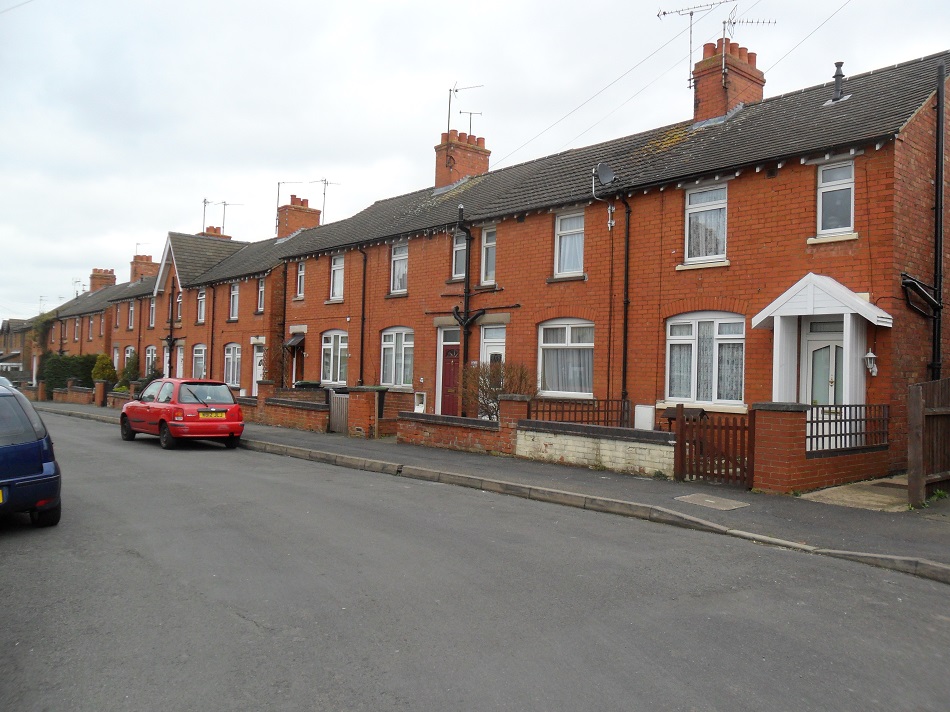
Council houses in Kings Road built in 1914
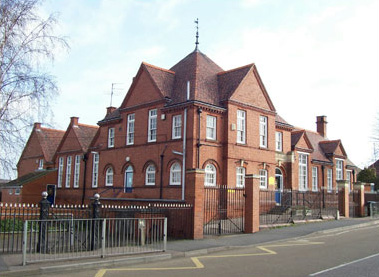
More families meant more children needing school places. Newton Road Infant School opened in January 1895 and 102 children were admitted during the first week.
A lot of the shoe manufacturers were non-conformists, so more churches were built – the Independent Wesleyan Church in 1900, Park Road Baptist Church in 1901 and Park Road Methodist Church in 1905.
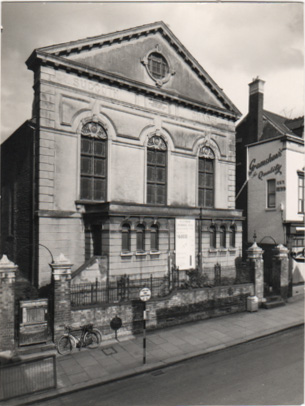
The Succoth Chapel, first built in 1805 and rebuilt in 1854. It was enlarged in 1893 as the non-conformist movement grew.

The Independent Wesleyan Church built in 1900

The Park Road Baptist Church built in 1901

The Park Road Methodist Church built in 1890
As the boot and shoe industry increased, regular supplies were needed for the manufacturing, and the finished shoes needed to be transported quickly. The nearest stations were Irthlingborough and Irchester so the Midland Railway were asked to consider a branch line. The line from Wellingborough to Rushden and Higham Ferrers was opened for goods in September 1893 with the first passenger train in May 1894.

Rushden Station now the home of the Rushden Historical Transport Society
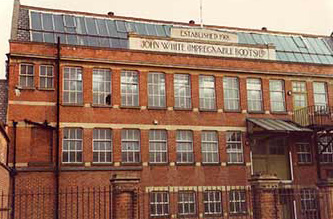
John White’s Newton Road factory – one of the many large factories in Rushden

A pair of John White shoes
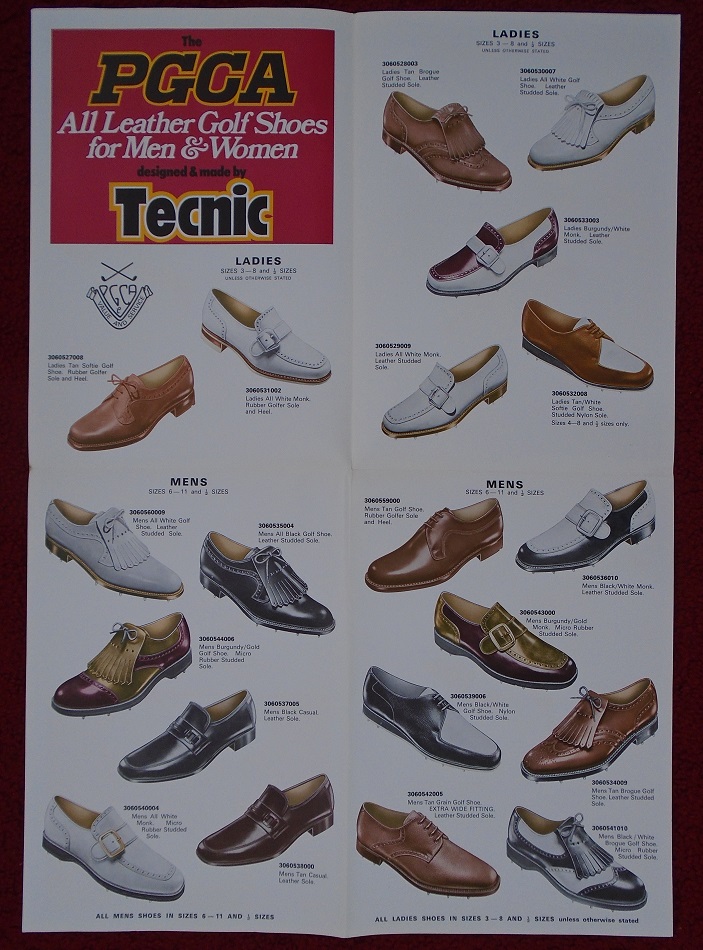
A poster advertising Tecnic shoes
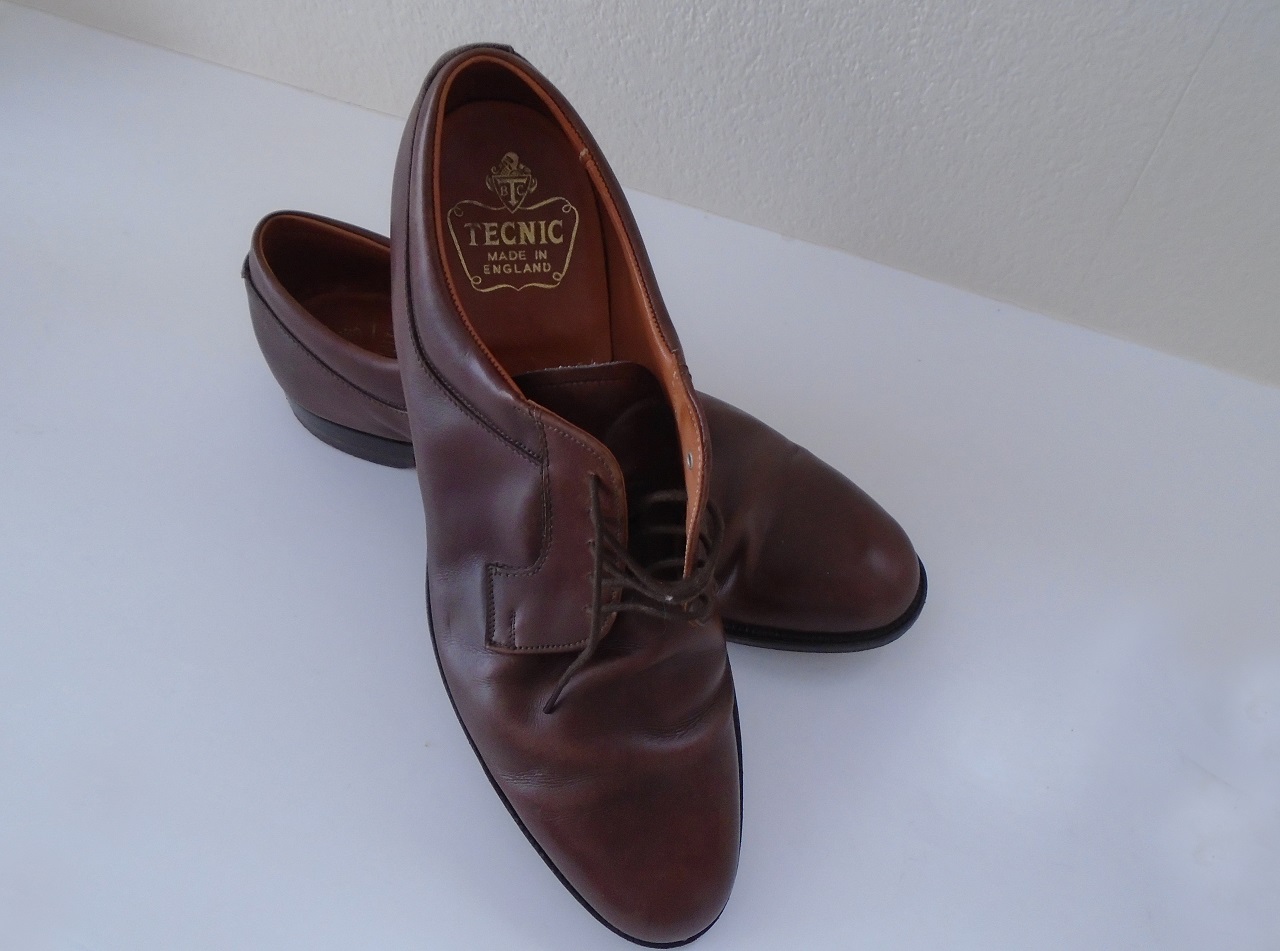
A pair of Tecnic shoes
There were other businesses in the town connected to the shoe making industry such as leather merchants, heel makers, pattern knife makers, adhesive suppliers, and box makers. Machines for the factories were also made in Rushden.
It is a very big subject and we are looking forward to putting the exhibition together. Watch this space for more news.
Hi this is really interesting. My loft was boarded when I moved in with packing cases of items delivered to John whites. I know as ots stamped all over them. These are from the 60s. If you want these then please let me know
Hi Carole, Can you give me some idea what sort of things they are, please?
Kind regards,
Gill
The original Park Road Methodist Chapel was built in 1890, the new Church was built in 1904 and opened in 1905
Hi Jayne, Yes, you are right. Thanks.
Kind regards,
Gill
Most of the tools shown at the beginning of this article are what I donated to the museum. I didn’t want them just thrown away. I remember making and wearing the finger and thumb stall on the scissors and the cover for the knife blade. The awl came in handy loads of times as did the two hooks and the tool for spacing. Clicking knife was my brothers as was the shoe last. Odd piece of rubber sole was used for wherever it was needed, rubbing things out on the leather.
Hi Gillian, I’m pleased to hear you were able to recognise them. They went to Amsterdam with the Totectors boots so they have had an adventure. They are safely back with us now.
Kind regards,
Gill
Very pleased you’ve used them. Wish I had gone to Amsterdam with them, What an adventure
My daughter has built her career and business in the shoe industry and is now a self employed Leather Consultant. . In a recent conversation, she mentioned that she was soon to call in at SATRA in Kettering. I felt sure SATRA once occupied a building in Rushden at the bottom of Higham hill and near the corner of the Hayway. Was I mistaken?
I think that was something to do with the union, but it was definitely part of the boot and shoe industry, so SATRA could have been involved.
Gill