
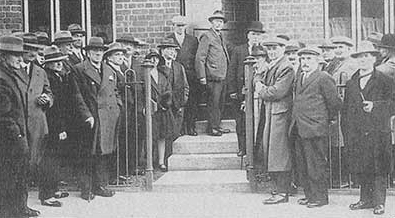
In October 1930 the Rushden Myrtle Lodge of the Order of Free Gardeners opened their new premises in Portland Road, Rushden. The photograph above was taken at the opening. A large number of people attended, including members of the Northampton District Board and the chief officers of the District. The opening was performed by Bro. T. V. Jacques who was a senior trustee and one of the oldest members of the Lodge. At the tea which followed in the Co-operative Hall the Lodge secretary, Bro. W. Frisby, gave details of the acquisition of the present site and the difficulties which had led them to search for new premises. Renting places to meet had become too expensive, but it was 18 months since the question of new premises was first considered. At first the site was not for sale but they had managed to acquire it and the building had been erected.
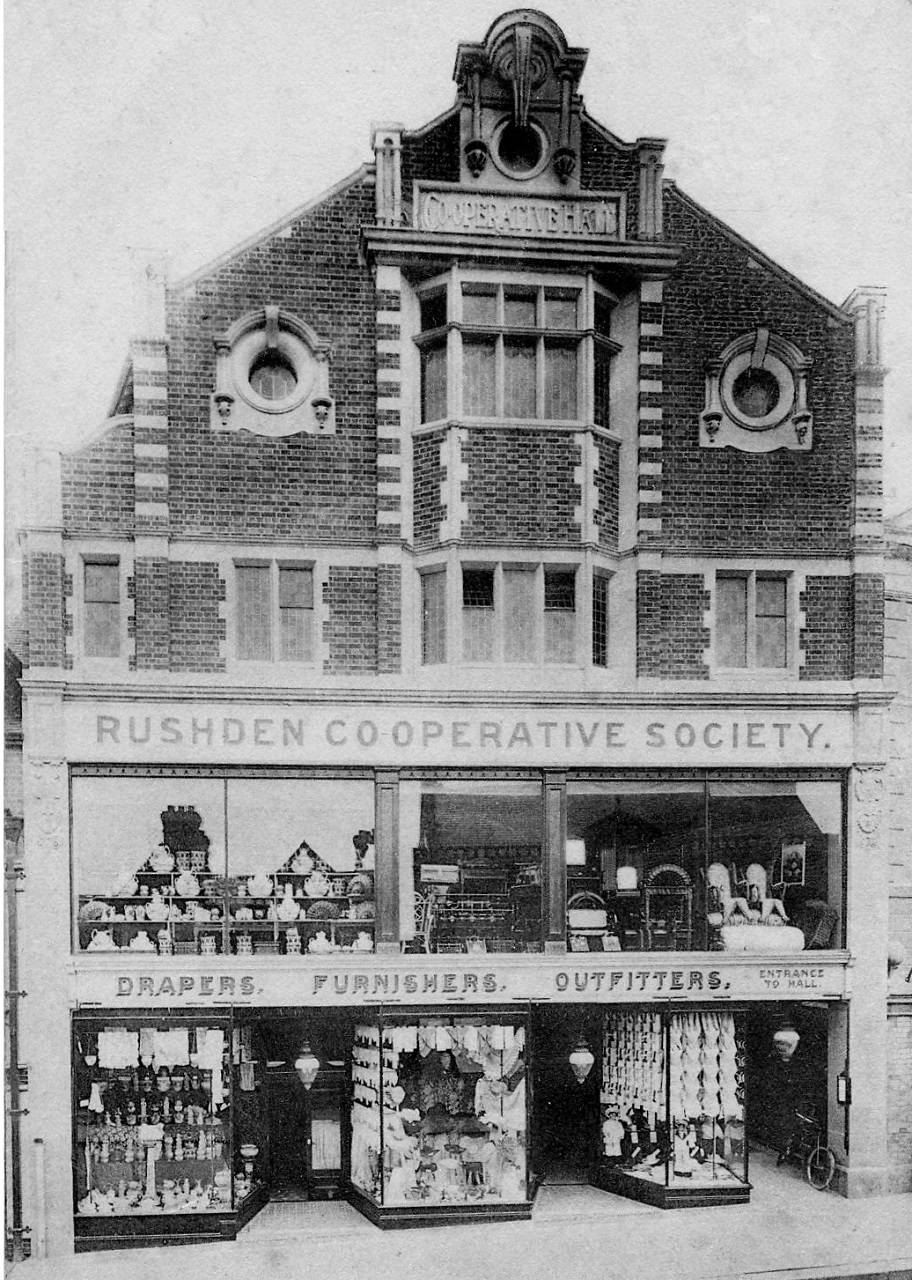
The Co-op store showing the hall above where the tea was held
The Myrtle Lodge had been formed in 1886 with 34 members. The first meeting was held in the Coffee Tavern, after which they moved to the Rose and Crown, the Wheatsheaf, the Church Schoolroom, the Congregational Schoolroom and then to the Working Men’s Club in Griffith Street.
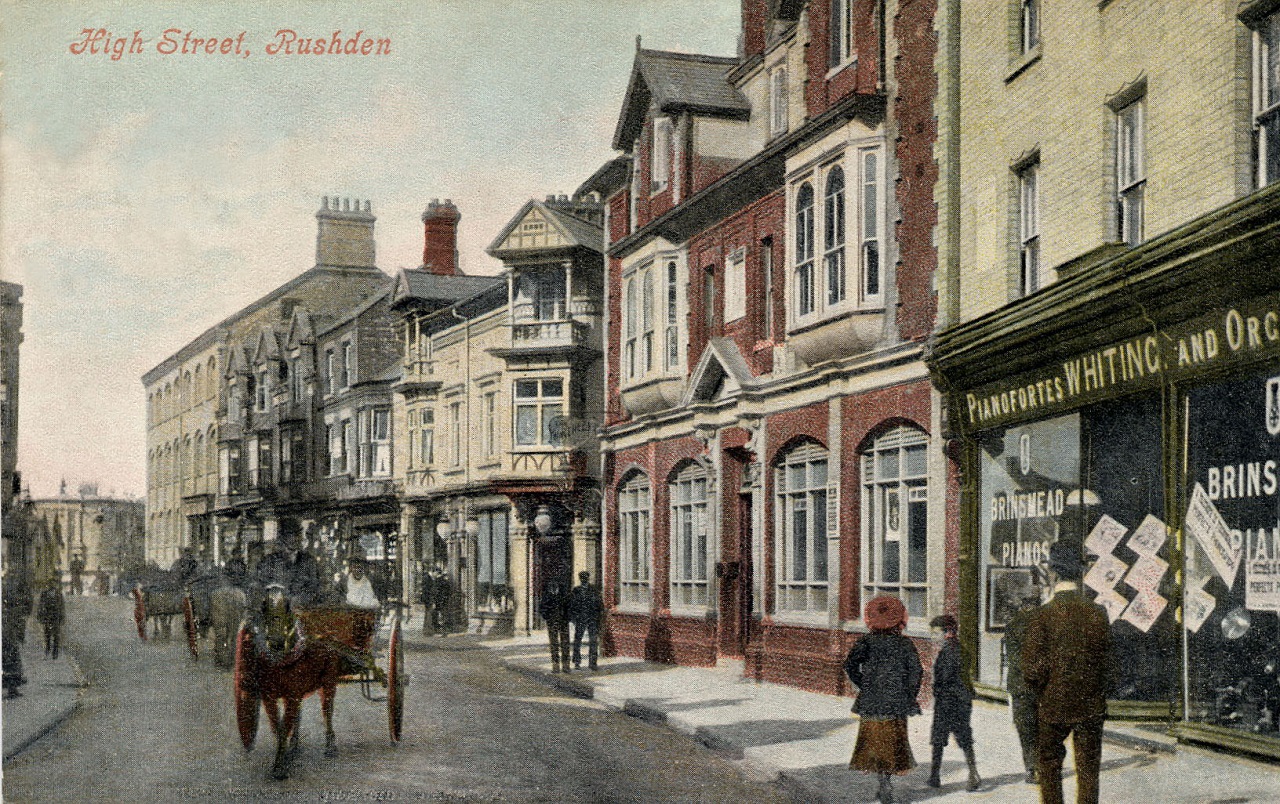
The Coffee Tavern

The Rose and Crown on the left of the picture
The aim of the Society was to provide sickness benefits for people who fell on hard times. There were different grades. Some people paid for just sickness benefit and some paid for sickness and death benefit.
At the end of 1912 they had 808 adult members and since that time the numbers had steadily increased. They now had 1,289 members and during the previous year had paid out £3,673 3s. 8d. in sickness benefit.
The architect for the offices was Mr. F. E. Preston and the builder Mr. R. Marriott.
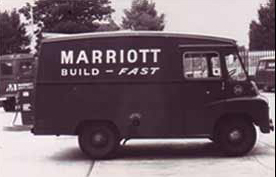
One of Robert Marriott’s vehicles
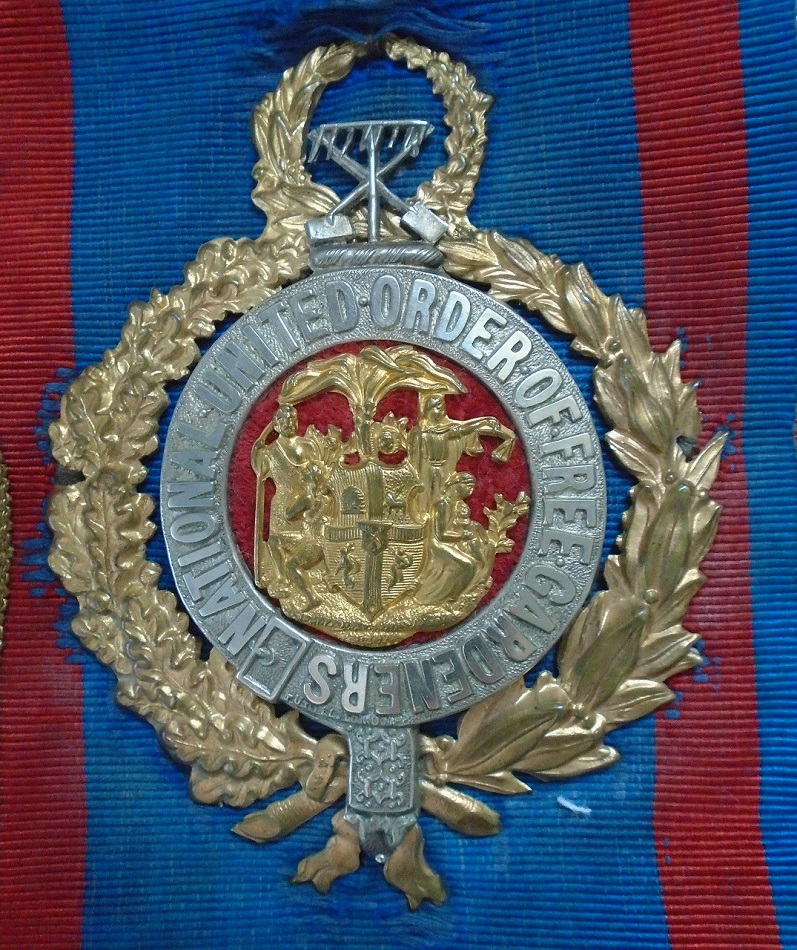
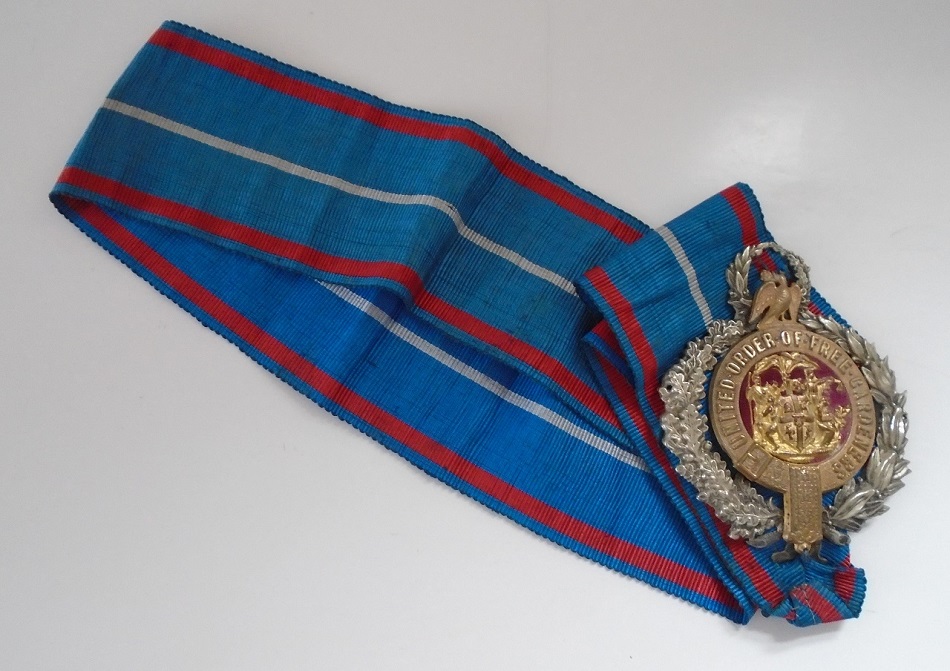
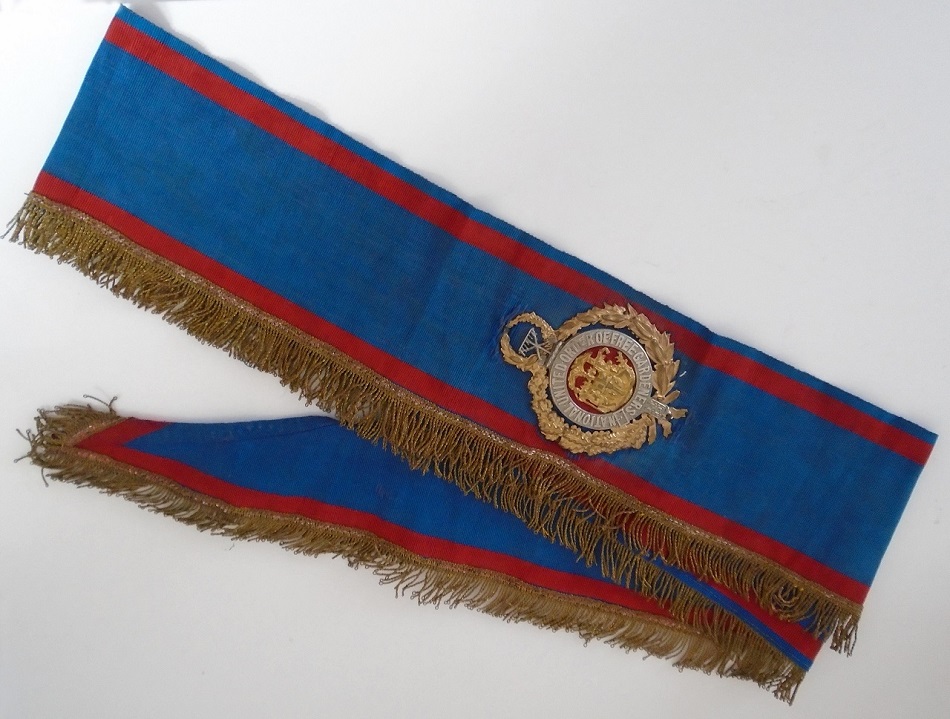
The sashes below belonged to Charles Watts. He worked as a clicker in a local shoe factory and finished his working life as a foreman clicker. He was an enthusiastic sportsman and enjoyed football and cricket. He was involved in many activities – Captain of the Rushden Methodist Boys’ Brigade, the Royal British Legion, Trade Unionism and became Grand Master of the Free Gardeners Friendly Society. He was also a Special Constable with Rushden Police.

Jonathan Seckington was also a member of the Free Gardeners Friendly Society. In March 1873 he started work at Higham Ferrers Post Office as rural postman for Rushden and Wymington. At that time he delivered all the letters in Rushden and Wymington twice a day. He used to leave Higham Ferrers at 6 a.m. and after delivering the letter in Rushden, had to go to Wymington, arriving about 9 a.m. He would then return to Higham and start all over again at Mid-day.
Jonathan delivered the first parcel in Rushden which came from abroad. It was addressed to him and was from his brother Luke who lived in India. The box contained a collection of curios carved from elephant bone.
Eventually Jonathan was only delivering letters in Rushden and had six helpers. He retired from his position in the post office through ill health in July 1907, and on his retirement received a silver-plated tea pot and was presented with an Imperial Service Medal.
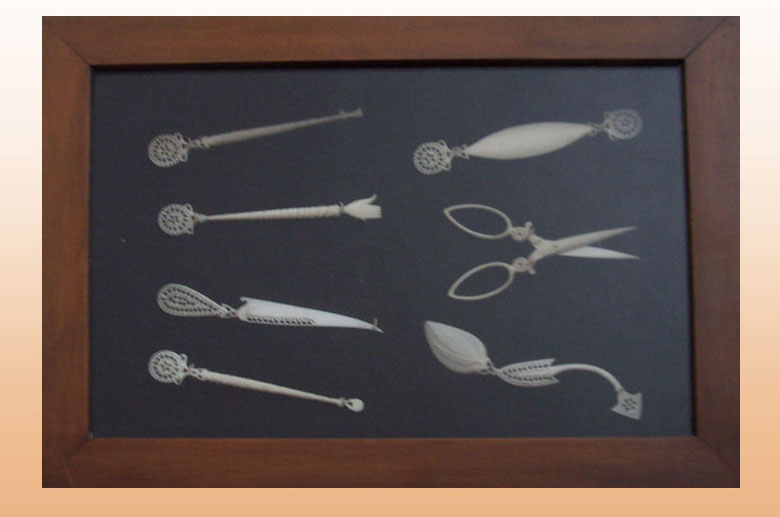
The box of curios sent from India

The Imperial Service Medal
In 1878 Jonathan Seckington opened his florist and seedsman shop in Rushden High Street. It was run by Jonathan, his wife Sarah, and their son Harry. Harry and his wife Mary took over the running of the business when Jonathan retired. Jonathan died in 1924.
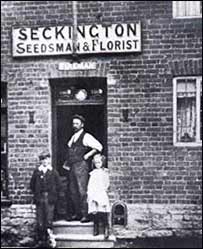
The shop in Rushden High Street
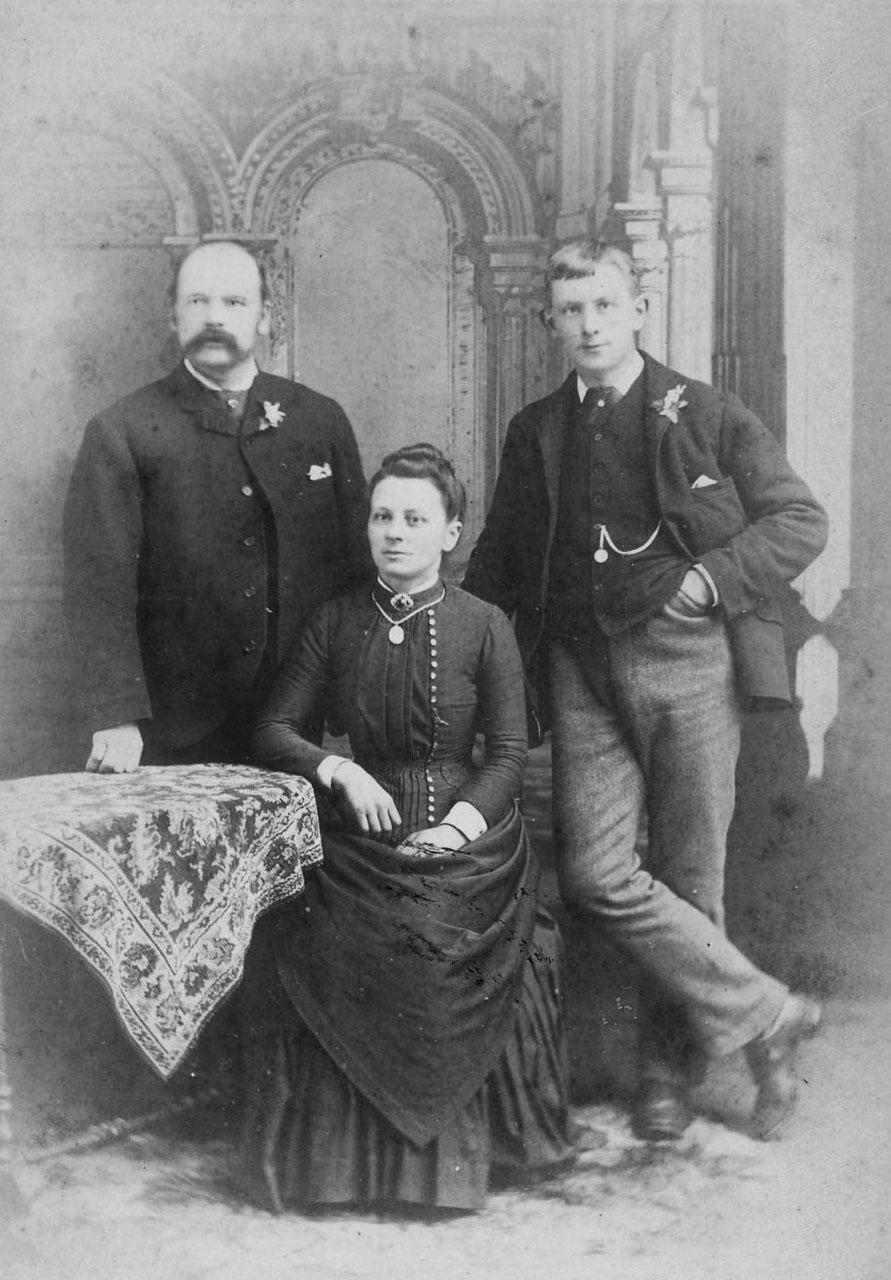
Jonathan, Sarah and Harry
The above is interesting. I have found a picture of my dad, Don Panther, with a free gardener medal and a chain. Can you tell me what it was for?
Hi Valerie, I am not sure but I think the Masters wore the regalia or if you were on the Board of Management. Regards, Gill