


An advert from the Rushden Echo

A photograph of Violet Seckington by Edgar Linnit
The Ecclesiastical Commissioners fixed new fees for marriage at St. Mary’s, and other churches. The fees, which came into force at once, were as follows: Notice of banns 1s., publication of banns 2s. 6d., marriage and certificate 10s. 1d. Previously there were two fees, publication of banns 1s., and 8s. 1d. for the marriage and certificate.

St. Mary’s Church, Rushden
As the effects of the coal strike were being felt, Mr. T. Watson, engineer and manager of the Rushden Gas Works, was doing his best to eke out the resources at his disposal for the making of gas. The period during which a full supply could be allowed was fortunately longer than was at first estimated, but to economise to the fullest extent, it was found necessary to give a full supply only from 6 a.m. to 1 p.m. and from 4.30 to 5.30 p.m. The factories altered their working hours accordingly.
The scarcity of fuel also caused problems for the bakers of the town, and they had a meeting with the Fuel Control Committee at which it was decided to continue with the present arrangements for the time being. This meant no baking on Tuesdays or Thursdays.
The Mining Association had stated that the average wage for March 1921 was 17s per shift, and that the funds offered by the Government would limit the reduction in wages by 3s per day. The new average wage was therefore 14s per shift. This meant that the weekly wage offered amounted to £3 17s. However, if output were to be restored to its pre-war rate of 20cwts. per man, everyone employed in the industry would benefit accordingly.
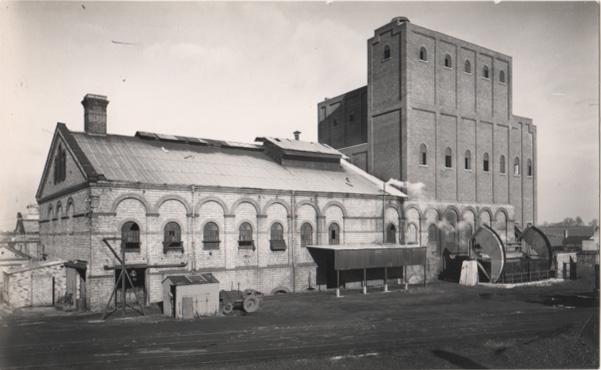
Rushden Gas Works
At the meeting of the Old Age Pensions Committee eight claims were received. One was disallowed, the applicant having entered the Wellingborough Poor Law Institution, six were granted the full rate of 10s., and one was referred back.
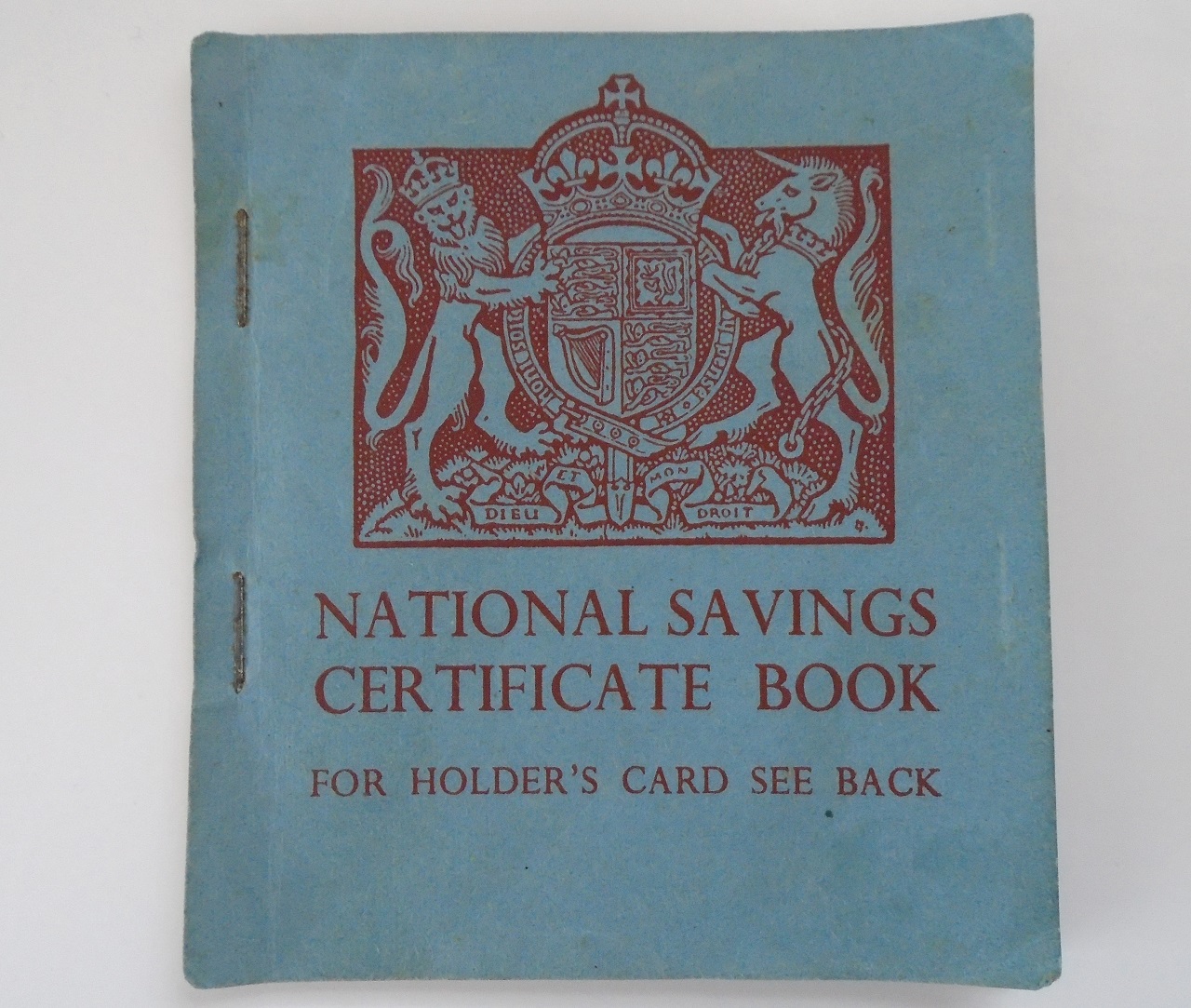
The official records showed that 3,150 Savings Certificates were taken out in Rushden during April 1921, an increase over the previous month of 1,463. Under a new regulation the Rushden Urban Council was entitled to borrow the sum £1,200 for municipal housing.
At a meeting of the Rushden District Education Committee the attendance figures for the quarter were given:- Newton Road Mixed – 91.5%; Alfred Street Mixed – 89.9%; North End Mixed – 90%; Church of England Mixed – 88.2%; Newton Road Infants – 86.8%; Alfred Street Infants – 87.4%; North End Infants – 82.9%; Moor Road Infants – 84.5%; Church of England Infants – 86.6%.
At a meeting of the School Managers an application was made by a father for his child’s spectacles to be paid for by the County Education Committee. The managers, however, did not feel warranted to recommend that the application be granted as the applicant was in receipt of good wages.
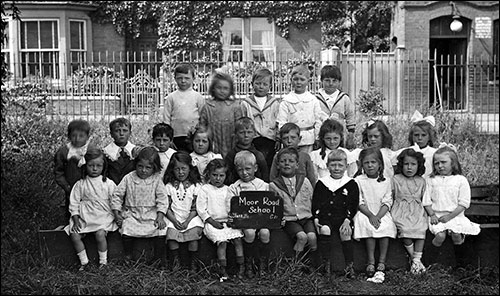
A class from Moor Road School c1920
The annual report of Mr. Madin, the engineer and surveyor for the Higham Ferrers and Rushden Water Board, showed that even when the water was at its lowest during the previous year the quantity of water stored in the Sywell reservoir was at least 205,000,000 gallons. From January 13 1920 to July 18 1920 the reservoir was overflowing and the amount passing over the gauge weir was 186,278,000 gallons. The quantity pumped from the Sywell reservoir was 106,908,000 gallons, and from the wells at Wymington 989,000 gallons, a total of 107,897,000 gallons.
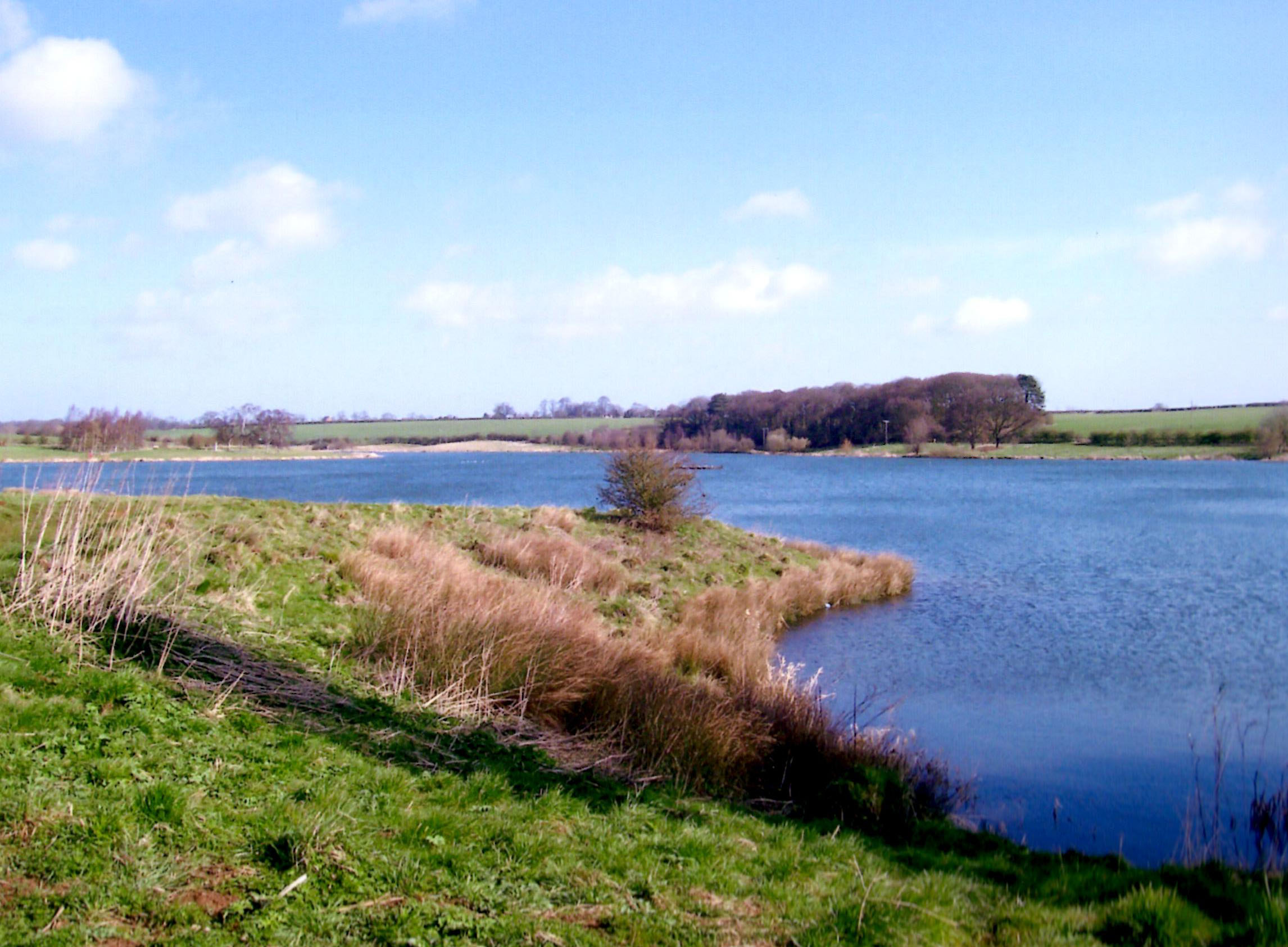
Sywell Reservoir

Sywell Reservoir
In May 1921 the Rushden Urban District Council received the annual reports of the Medical Officer and the Sanitary Inspector for 1920. The Sanitary Inspector reported that some of the houses inspected under the Housing and Town Planning Acts were so old and in such poor condition as to warrant closing orders, but owing to the shortage of houses it was felt that the properties should be repaired and made habitable. There were many families living in overcrowded conditions and it was hoped that when the new Council houses were completed the situation would be eased. The Medical Officer, Dr. Baker, thought that the houses were “not remarkable for their roominess,” but it would be for the tenants to make them homes. He also stated that – “As in all communities, there are those who would turn a paradise into its antithesis, but in the main the properties were well maintained and the homes kept clean.”
The number of births during the year was 328 – 179 males and 149 females. The number of deaths was 133 – 73 males and 60 females.