
William Thomas Lloyd Flood was born in London in 1875, son of William Alfred and Frances Flood. In 1881 he was living in Chelsea with his mother and his step-father William Daykin. William Daykin was a General Dealer and Frances was a laundress. By 1885 William Flood was an orphan and he came to Rushden in November of that year with his Uncle, the Rev. William John Tomkins, who was to be minister at the ‘Top Meeting’ Baptist Chapel in Little Street. The Rev. Tomkins remained as minister for 12 years, and died in 1902 very shortly after his wife. He had two sons, William Henry, and Bernard. William became a chaplain in WWI and was killed in action in 1918, and Bernard became a popular musician.
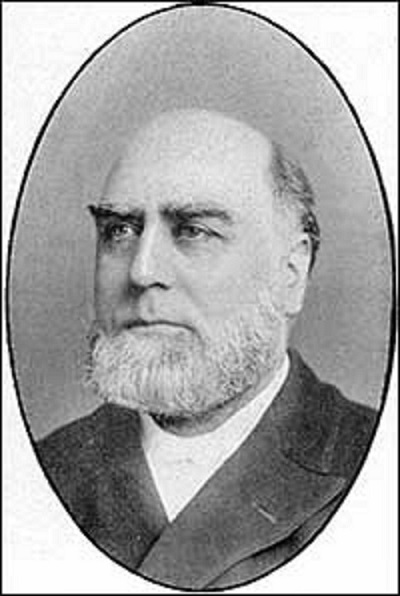
The Rev. W. J. Tomkins
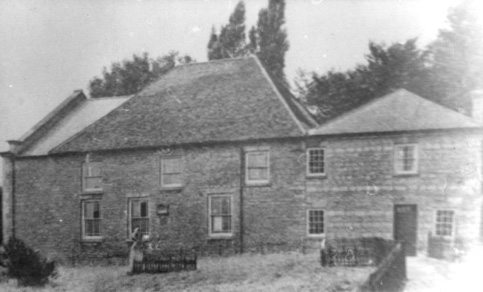
Top Meeting
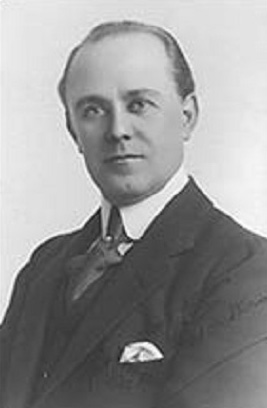
Bernard Tomkins
By 1901 William Flood was living as a boarder in Queen Street. In June 1906 he married Miss Clara Groom, also of Queen Street, and they continued to live in that street at number 42.

Queen Street, Rushden
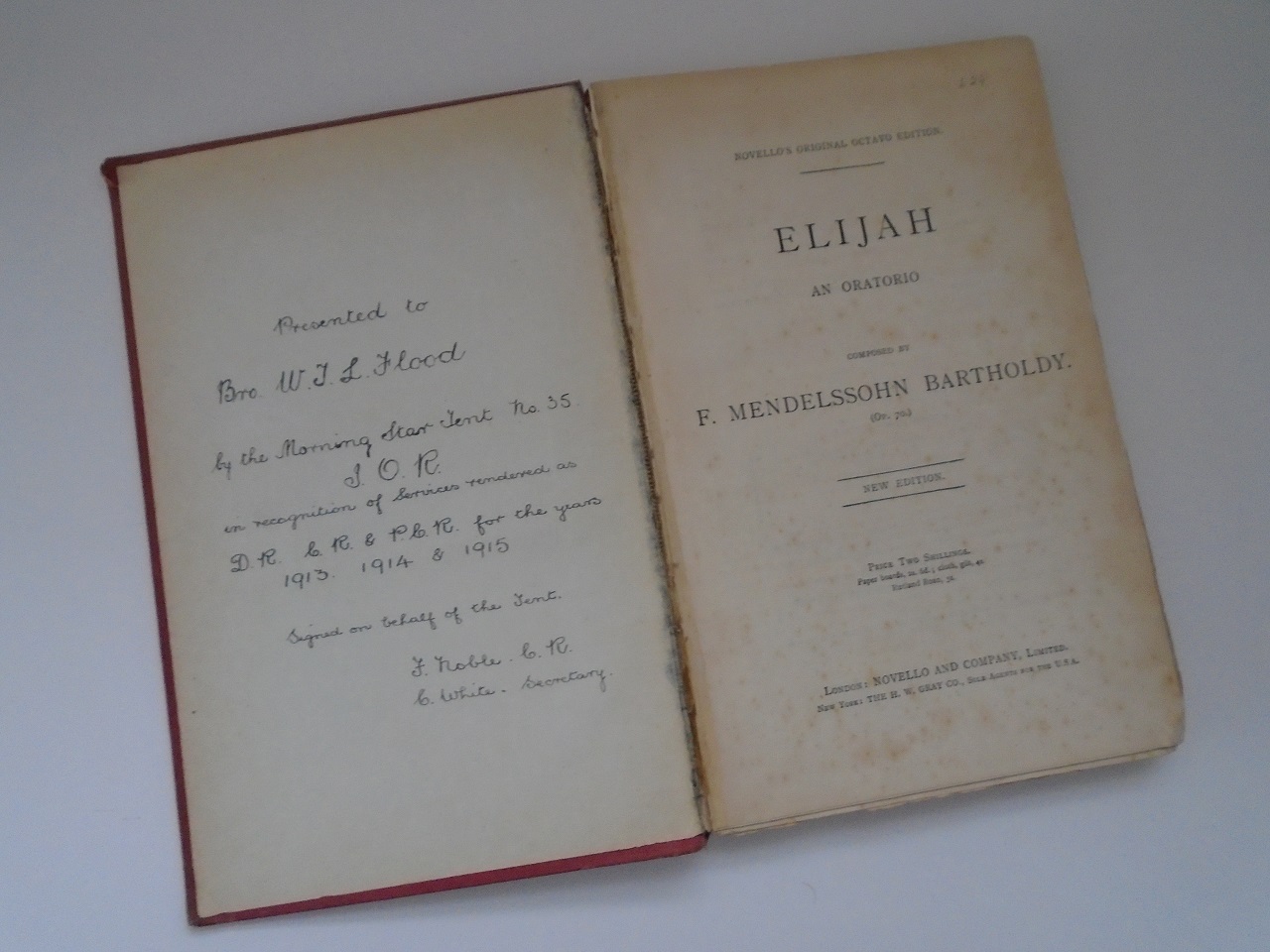
William and Clara were both were members of the Baptist choir for 50 years. William played for the Baptist Cricket Club, became secretary to the Choral Society from 1918 to 1934 and was a member of the Rechabites. He was also deputy choir master for the Baptist Church.
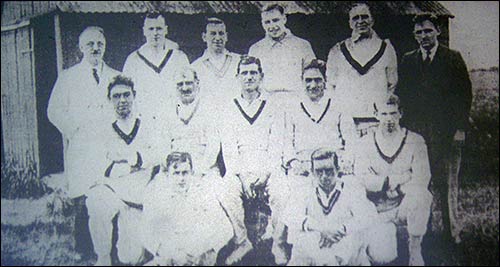
The Baptist Cricket Club c1930. William Flood is the umpire.
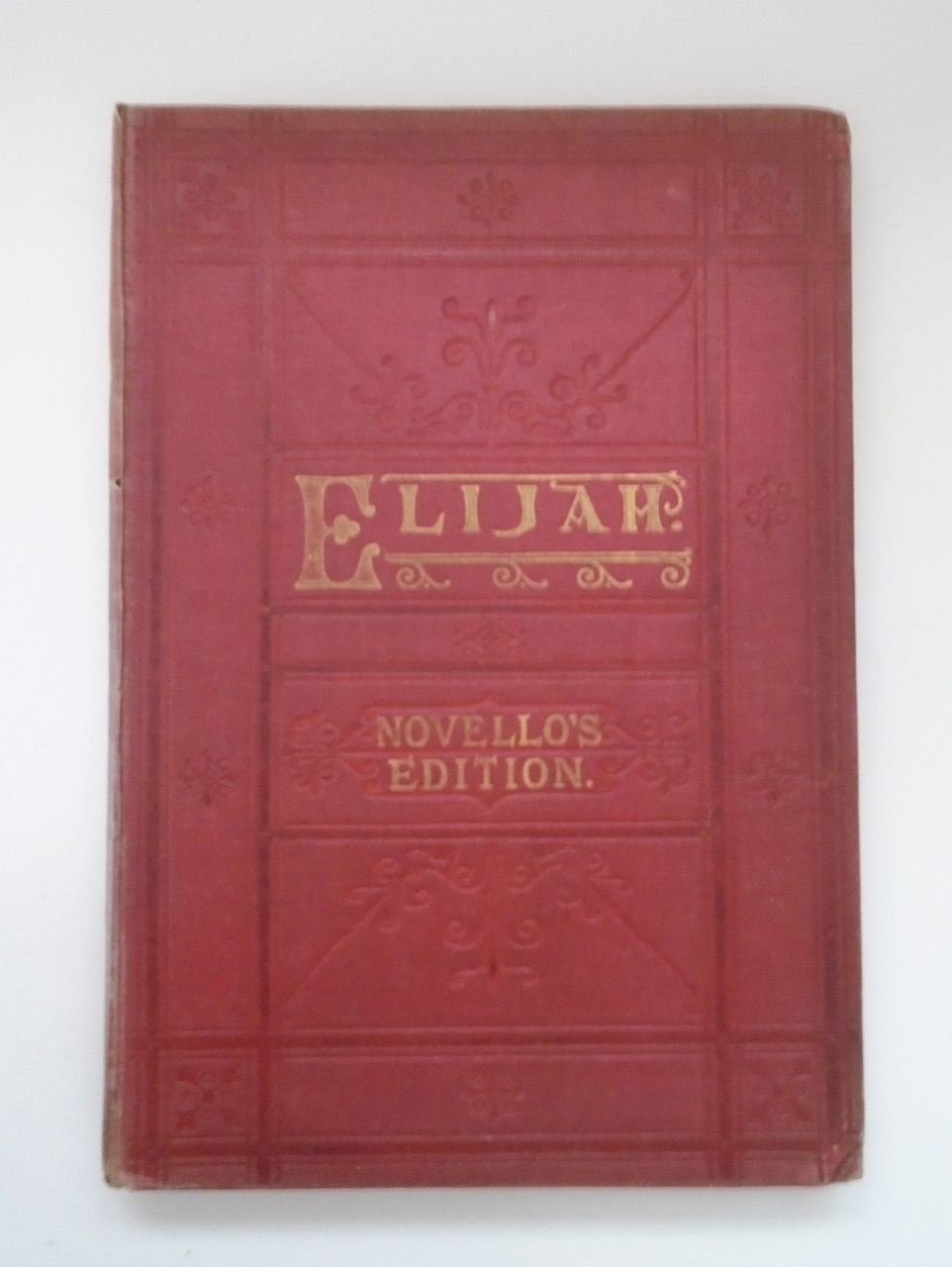
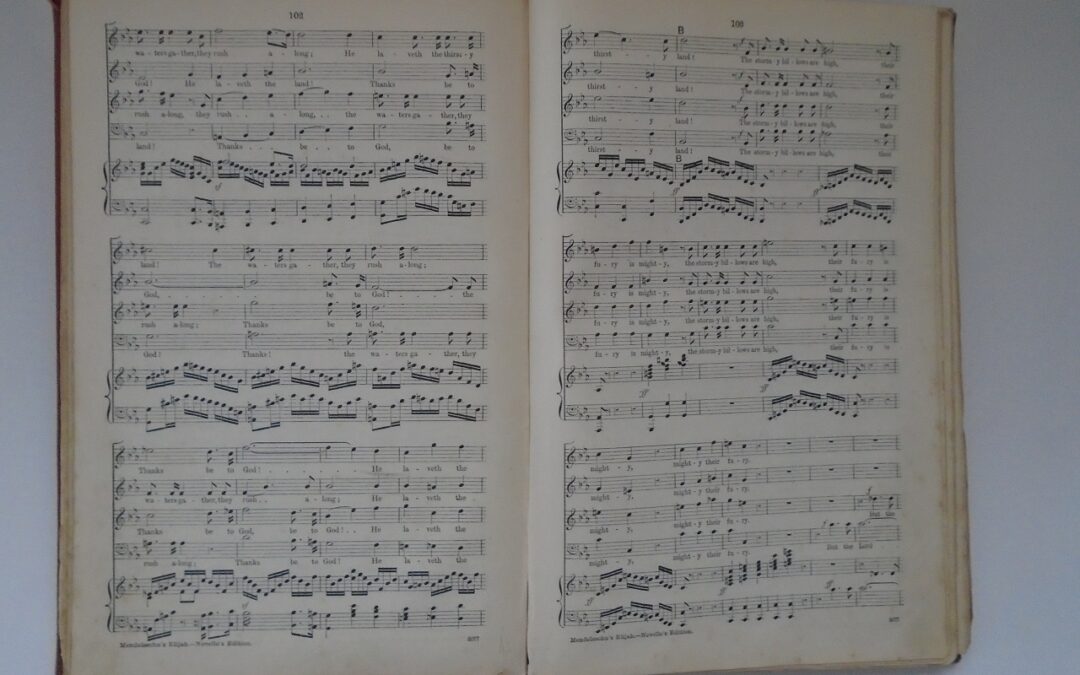
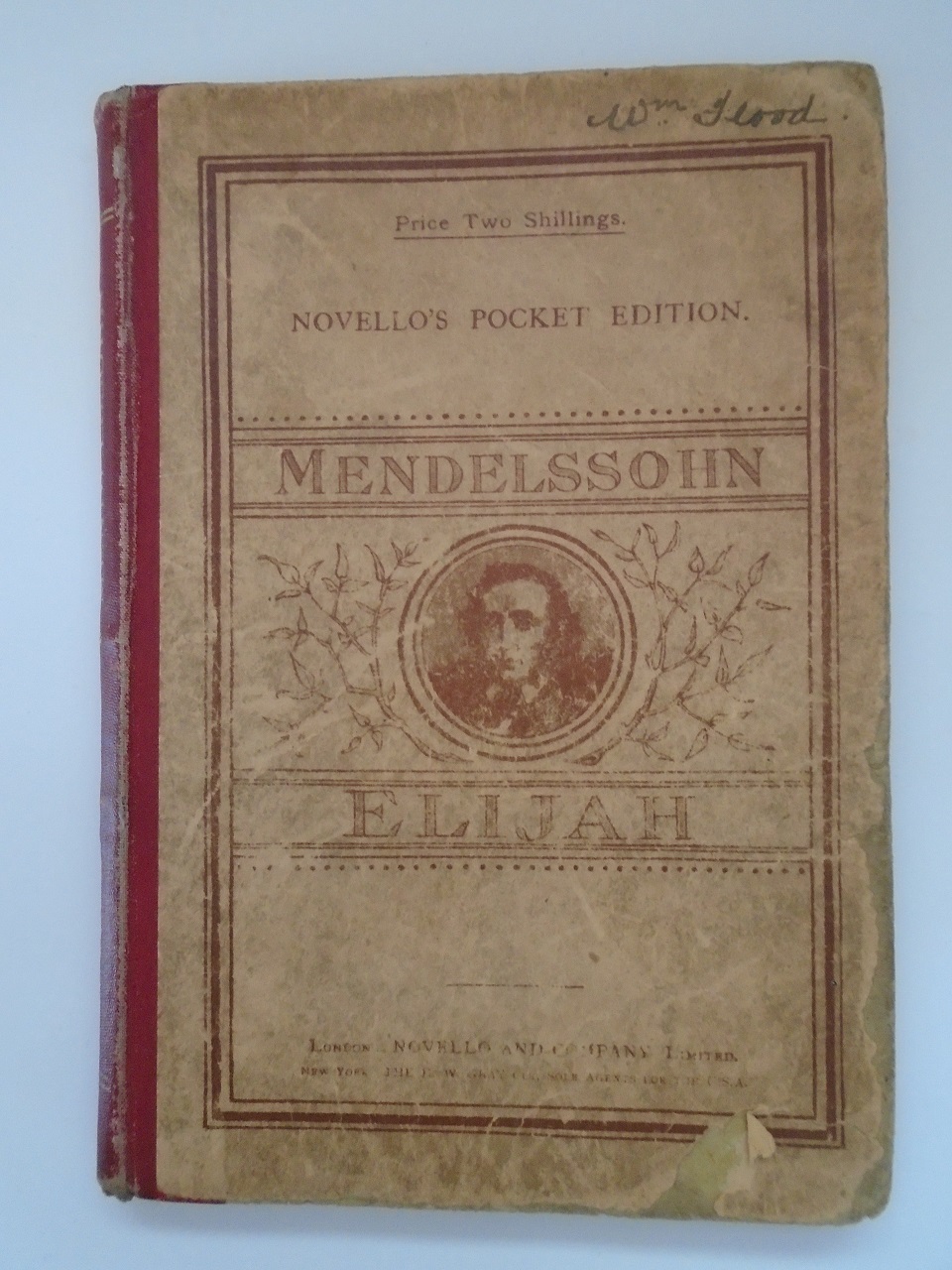
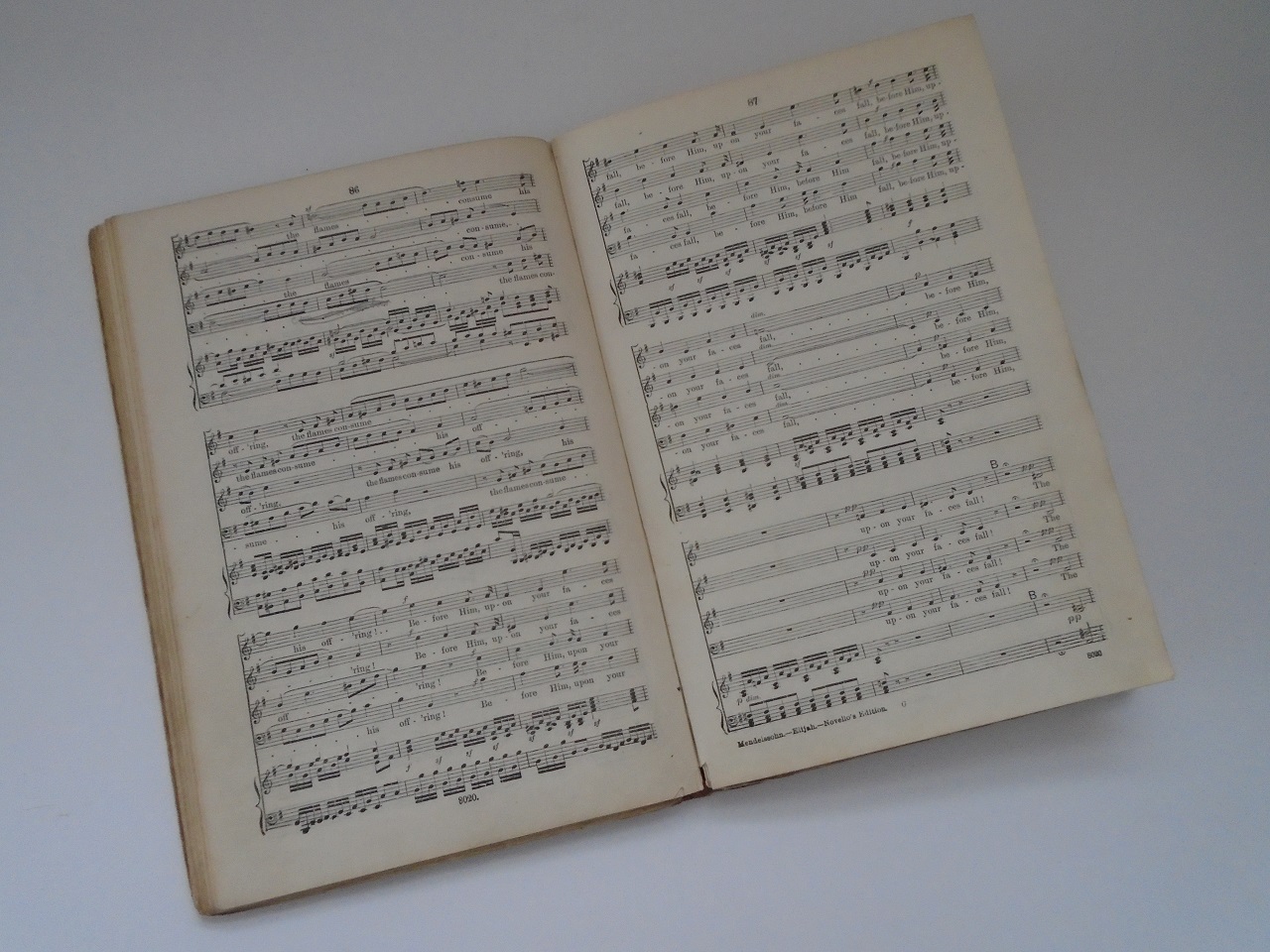
These books belonged to William Flood
In September 1901 the Park Road Baptist Church was opened, replacing the old ‘Top Meeting.’ The architect was Mr. H. H. Dyer of Northampton, and the builder was Mr. C. E. Bayes, of Rushden. The total cost was about £6,500 and at the time of the opening £2,100 was still to be raised.

The new Baptist Church in Park Road, Rushden
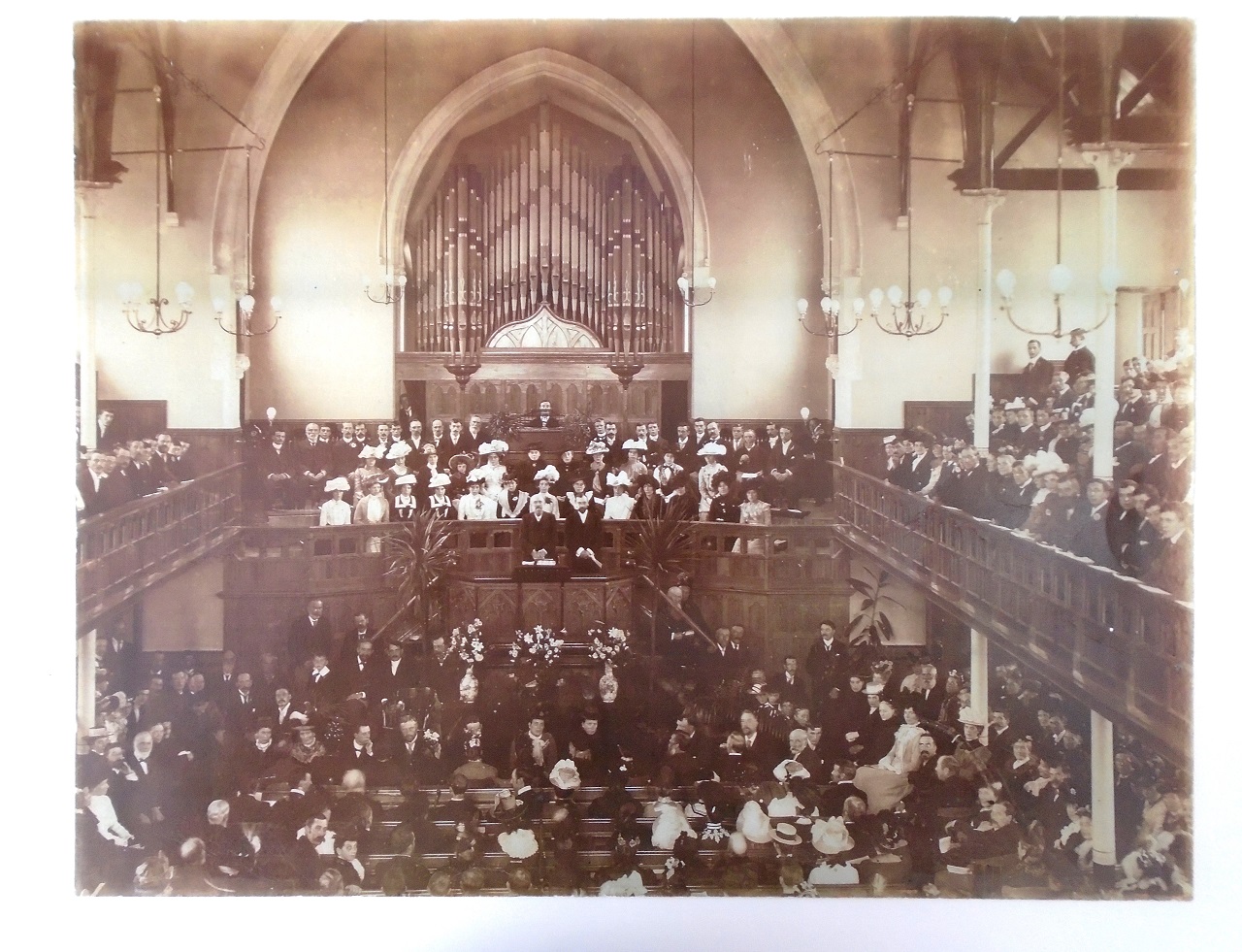
This photograph is believed to be the opening service in the new Church

Some of the Deacons of the Church
In 1944 it was decided to raise funds to rebuild the organ in the church, as a memorial to the men who had died in WWII. The organ had been in constant use for 50 years and was the only one of its type in the country. It was hoped to raise £3,500 as an organ fund and to make improvements to the Recreation Field in Allen Road, Rushden.
At that time William Flood was the deputy choir master and it was shortly after he received the keys to the new organ in 1949 that he collapsed at the choir practice. He was taken to his home but died shortly afterwards.
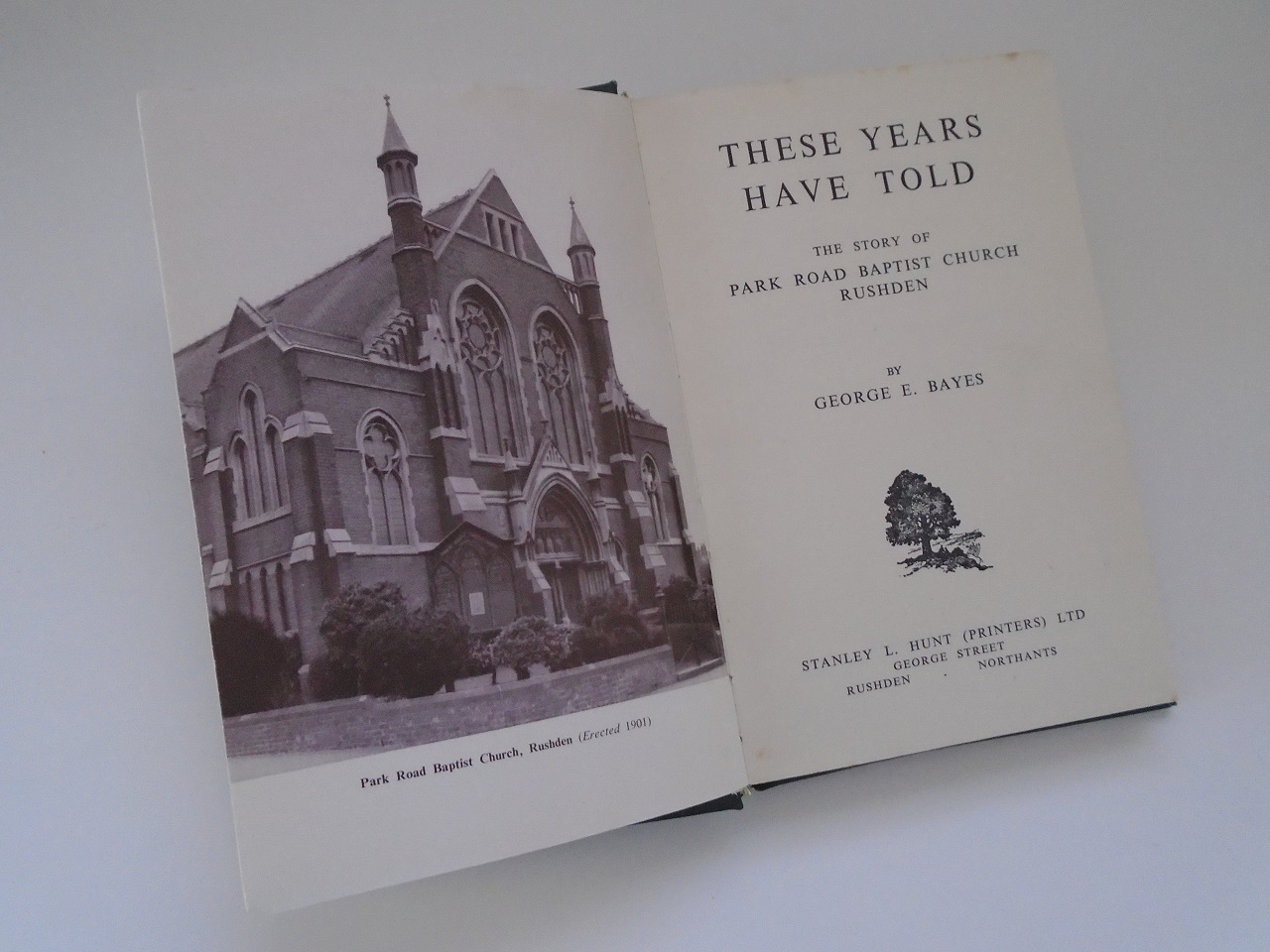
This book, telling the history of the Baptist Church in Rushden, was written by George E. Bayes and published in September 1951