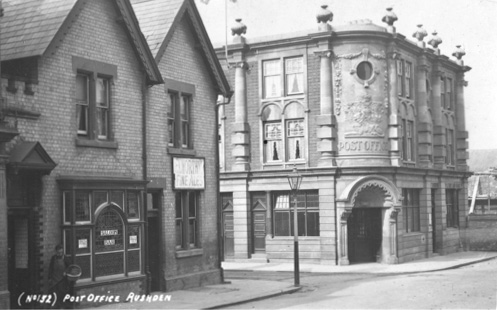
On 6 August 1903 the Rushden Industrial Co-operative Society opened their new drapery, outfitting and furnishing store in Rushden High Street. The new store had been over a year in the planning and cost £4,600.
On the ground floor were the drapery and outfitting departments, with a kitchen and other rooms in the rear. Furniture and crockery occupied part of the first floor, with the remainder being devoted to fitting rooms and workrooms. Over the top of those floors was a large hall, able to seat 400 in the body of the hall and 200 in the gallery.
The building was designed by Messrs. Cooper and Williams of Kettering and the contractor was Mr. C. E. Bayes, of Rushden.
On the day of the opening there was a parade round the town, headed by the Rushden Volunteer Band, which included vehicles laden with the society’s goods. A platform had been constructed in front of the store from which the speeches were made, and following the opening, teas were provided in the Queen-street schools and in a large marquee erected in a field in Park Road. The general public were included and in all about 1,500 teas were served, all catering done by the society.

The new Co-op store in Rushden High Street

Rushden High Street showing the Co-op Store next to the Succoth Chapel
At the Council meeting on 19 August 1908, a fatal accident which had occurred in Duck Street in July was discussed. Mr. W. Smith, who lived in Duck Street, lost control whilst riding his bicycle down Fitzwilliam Street and could not turn at the bottom. He tried to turn to the right but hit the wall and window of Mr. Hollis’s butcher’s shop and sustained serious injuries from which he subsequently died.
On the 31 July the inquest was held at the Rose and Crown by Mr. Cairns Parker, deputy coroner, with Mr. H. H. Hobbs as foreman of the jury. It was stated that the bicycle Mr. Smith was riding was a fixed wheel model with no brakes. He would normally get off his bicycle at Horrell’s factory and walk down the hill but on this day he didn’t and was unable to keep control.
The jury returned a verdict of ‘Accidental death’ and asked the coroner to call the attention of the Rushden Urban Council to the dangerous nature of the hill.
At the Council meeting it was noted that a sub-committee had already been appointed to visit the site and to report their findings at the next meeting. It was suggested that erecting a notice board warning of the dangerous nature of the road would be a good idea, and other roads in Rushden, such as Griffith Street, Crabb Street and Queen Street, were just as bad.
It was also suggested that a speed limit of 6 m.p.h. be applied but it was decided that the Council did not have the power to do that, and that the County Council had not taken any steps in that direction.
It was then agreed that they would inform the coroner that the council had the matter in hand.
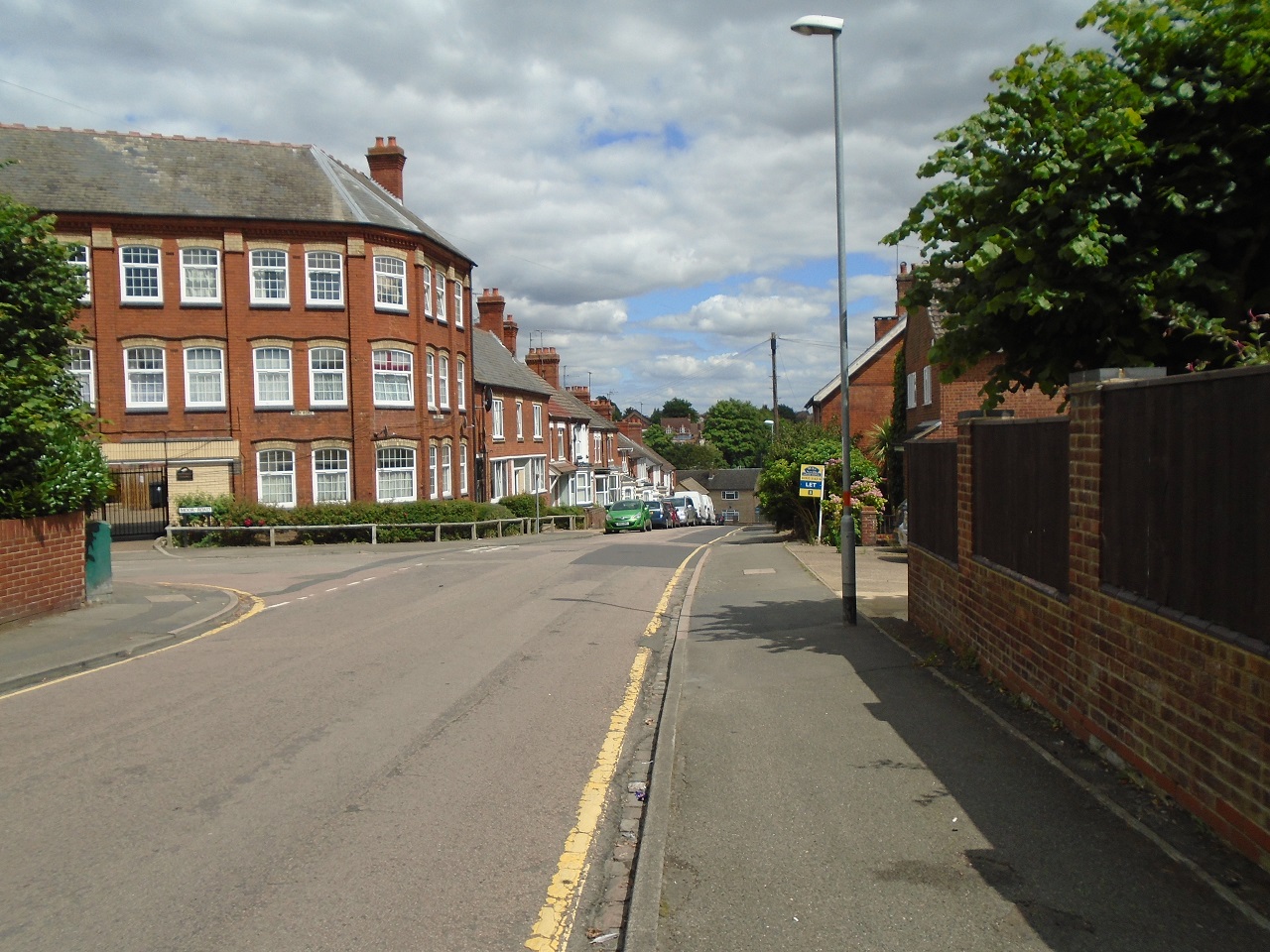
Fitzwilliam Street with Horrell’s factory on the left, where Mr. Smith would usually get off his bicycle and walk to the bottom of the hill.
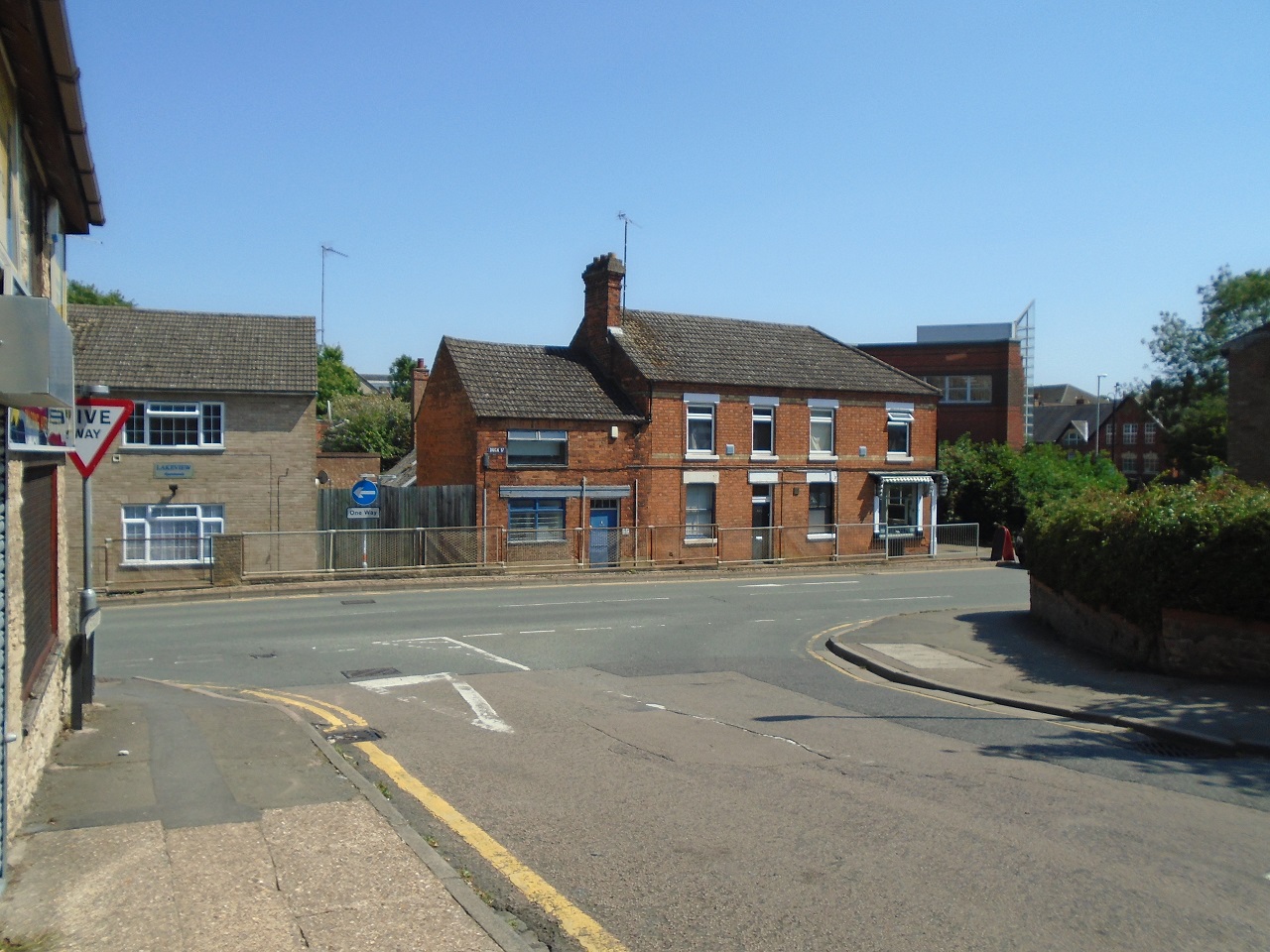
The bottom of Fitzwilliam Street, much wider than it was in 1908, showing the shop at the right hand end of the row, which is still Hollis butchers.
The Rose and Crown on the left of the picture, where the inquest took place.
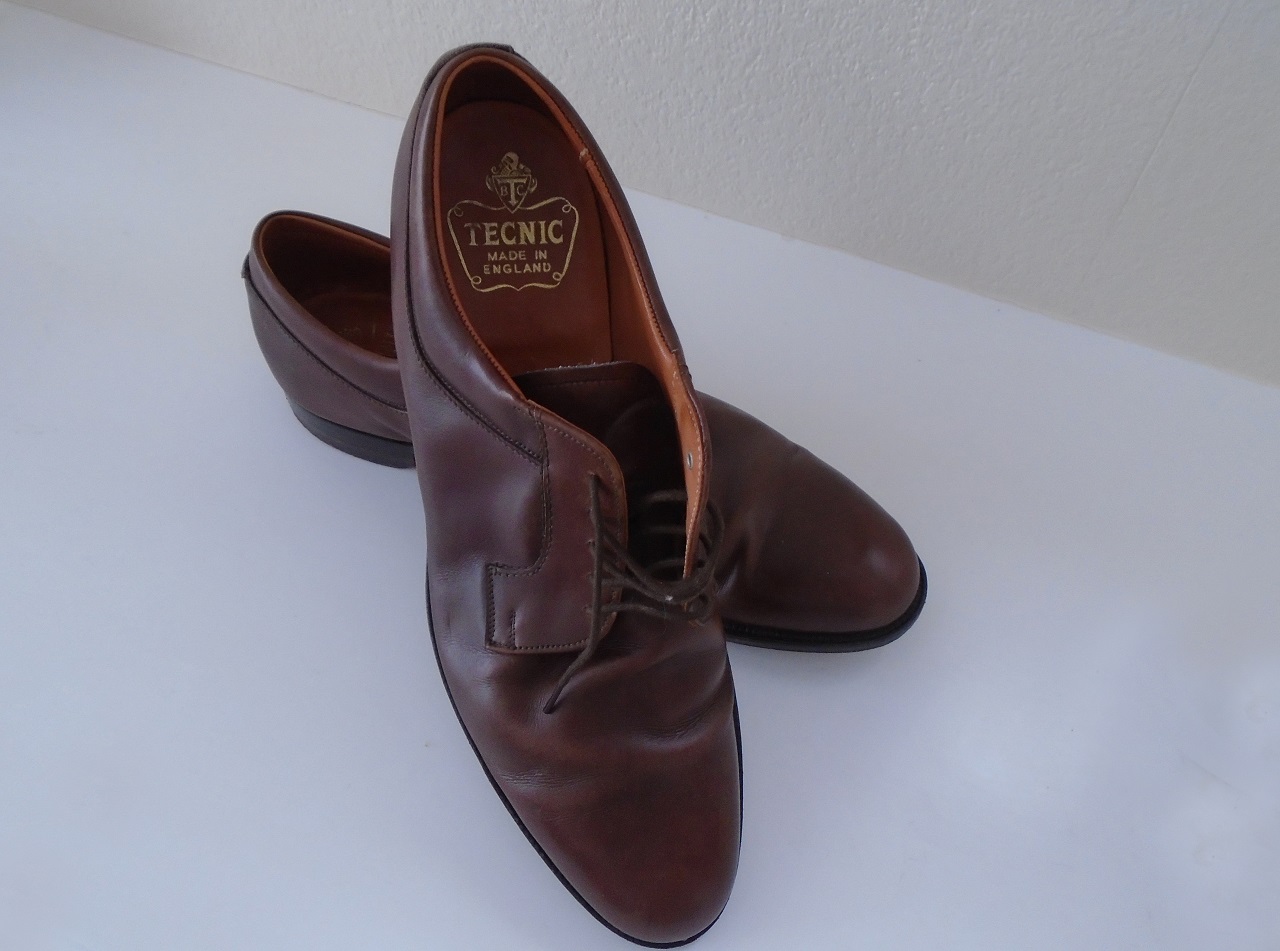
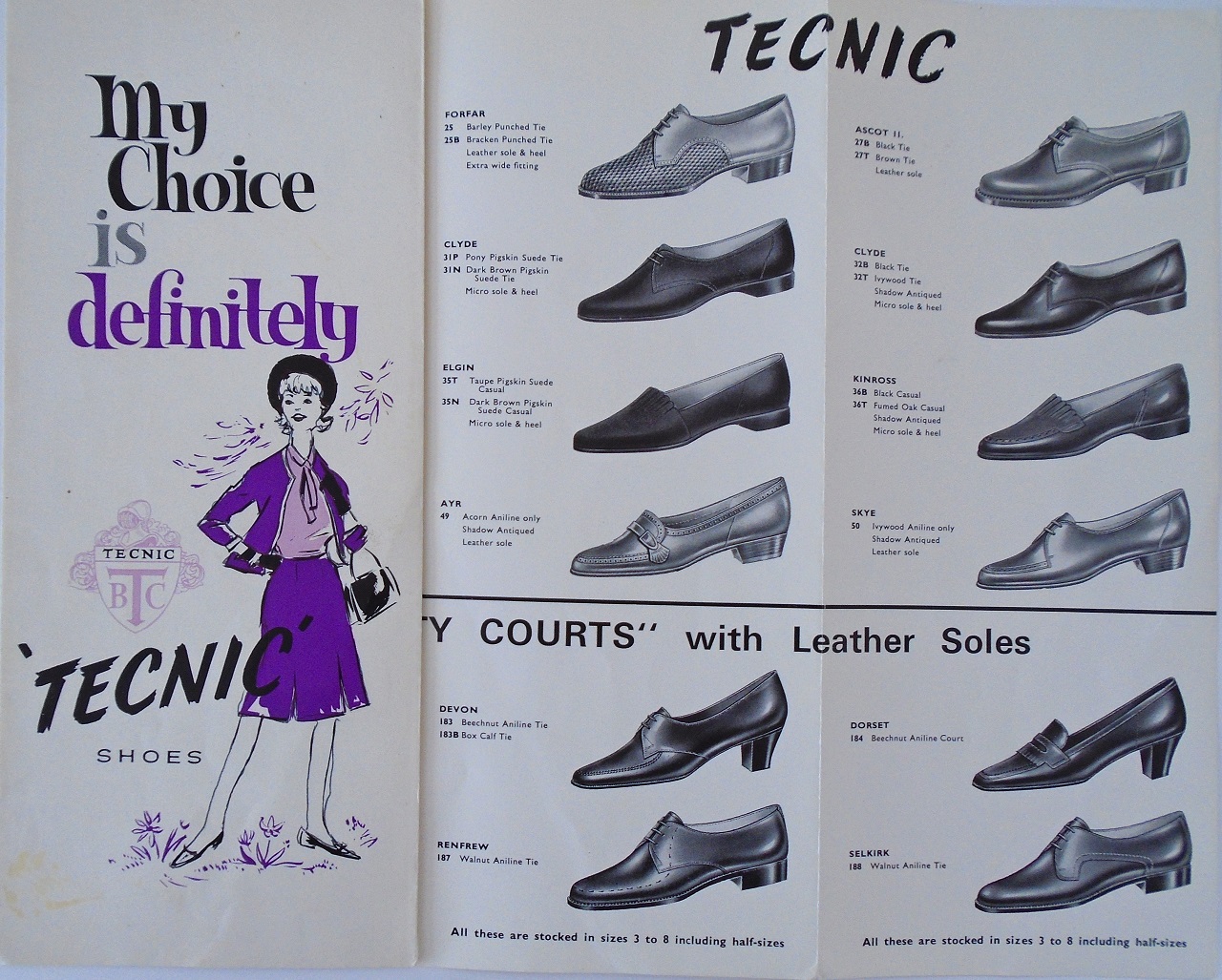
In August 1923 the Tecnic Boot Co., Ltd. opened their new factory on the Bedford Road. It was built by Messrs. W. Packwood & Son, on modern lines, with the ‘American’ shaped glass roof – the northern aspect being glazed and the southern aspect designed to keep out the heat of summer.
There was a dining room for employees who wanted to stay at dinner time, tables and chairs provided, and there were two windows looking out over the fields.
In the factory the different departments were separated by partitions about 5’ 8” high, and dust created by the different processes was drawn off in ducts to an electrically driven suction fan, into a large receptacle outside ready for carting away.
The factory was the first to be supplied with electricity from the mains of the Northampton Power Station. The lighting was to the latest designs so that even light was distributed all over the factory, the whole installation being carried out by the Rushden Electric Supply Co.