Charles Drawbridge was born in Southwark on 15 June, 1805. He was educated at the school of St. Mary Overys and was eventually apprenticed to a grocer. He started preaching and delivered his first sermon in Waterloo Road, London in 1823 when he was just 18 years old.
He was invited to preach for the Baptists at the “Top Meeting” in Rushden, and was, afterwards, invited to preach at the Succoth Strict Baptist Church.
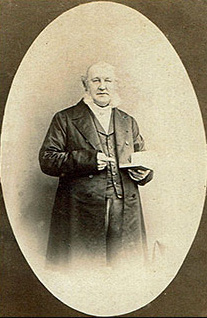
Charles Drawbridge
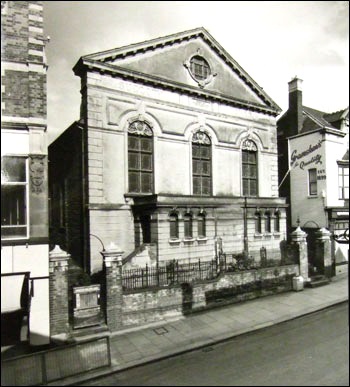
Succoth Chapel
The Succoth Baptist Chapel was built in the middle of the High Street in 1803/4 after a breakaway group left the Old Baptist Meeting in 1800 and started a new chapel following more strict Baptist principles. After Charles Drawbridge had preached at the Succoth Chapel in 1826 he was invited to become pastor, when he was 21 years of age, and was there for over 40 years.
During this time he lived in Wellingborough and was an evening lecturer at the Zoar Chapel there.
He was very outspoken and often offended members of his congregation with his remarks.
Once when a fat member of his congregation came in late, he referred to him as “a great lump of fat not worth three-pence a pound.”
The Zoar members, who shut him out of their chapel, he spoke of as “a shovel full of cinders ready for the devil.”
Despite this he was considered a wonderful preacher and his congregation came from a wide area. Farmers came from the surrounding villages and would leave their carriages at the Wheatsheaf Inn, next to St. Mary’s Church, and a Sunday lunch was served there later.
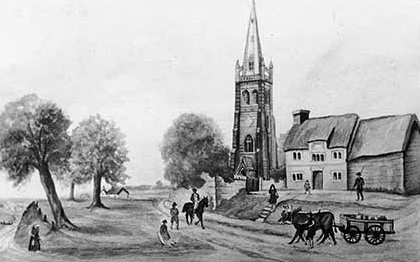
The old Wheatsheaf (rebuilt in 1888)
When Charles Drawbridge was minister at the Succoth Chapel, he was publishing articles and some of his sermons. The printers took over publishing, and eventually a book was published. The sermons were originally printed on single sheets and sold at one penny each, or seven shillings per hundred.
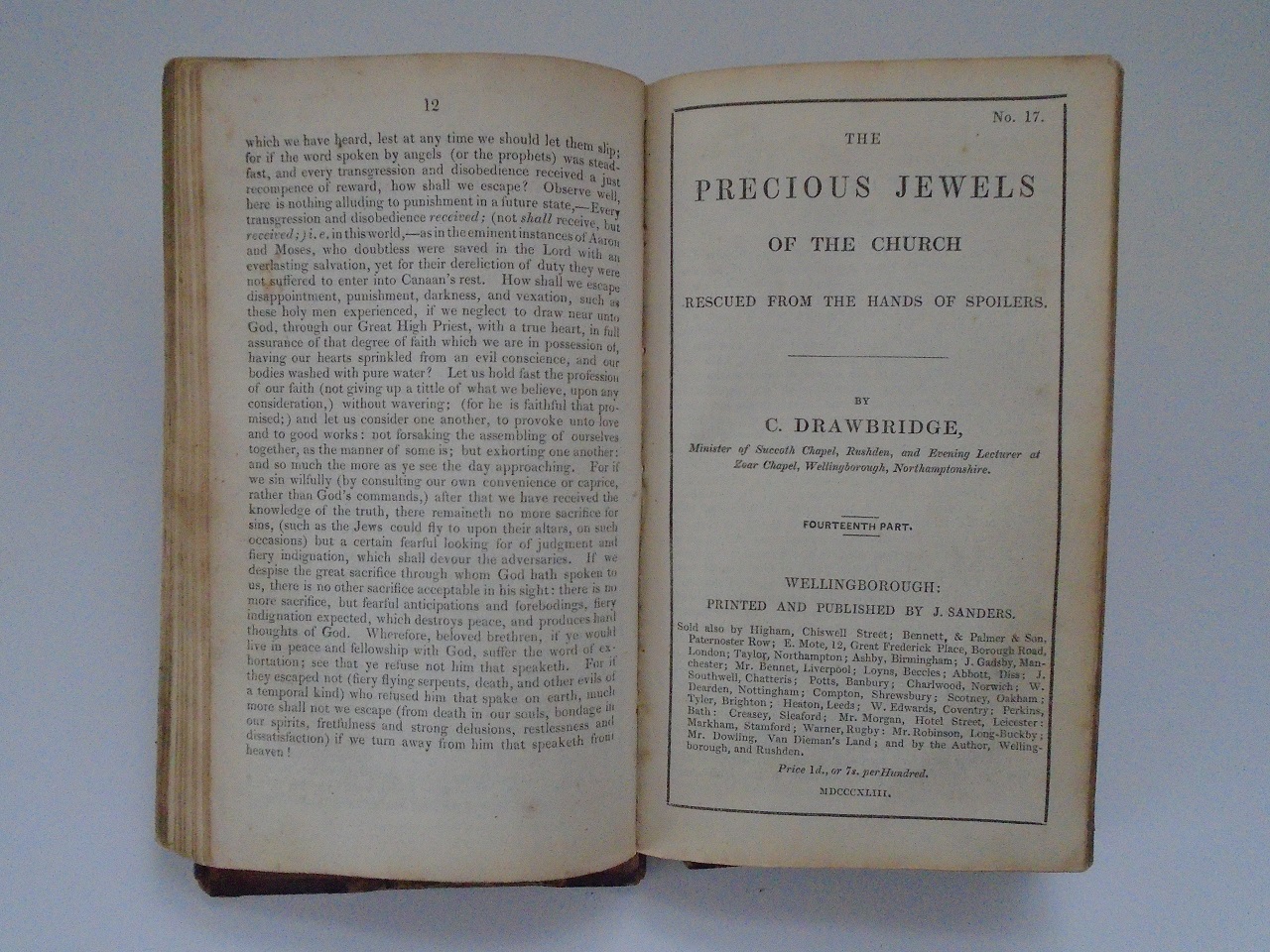
‘Precious Jewels’ – dated 1835-45

‘Important Facts Recommended to General Observation’ – dated 1844
Charles Drawbridge died in 1871 aged 66 and was buried in the old cemetery at Wellingborough.
The church closed in 1957 and was demolished in 1969.
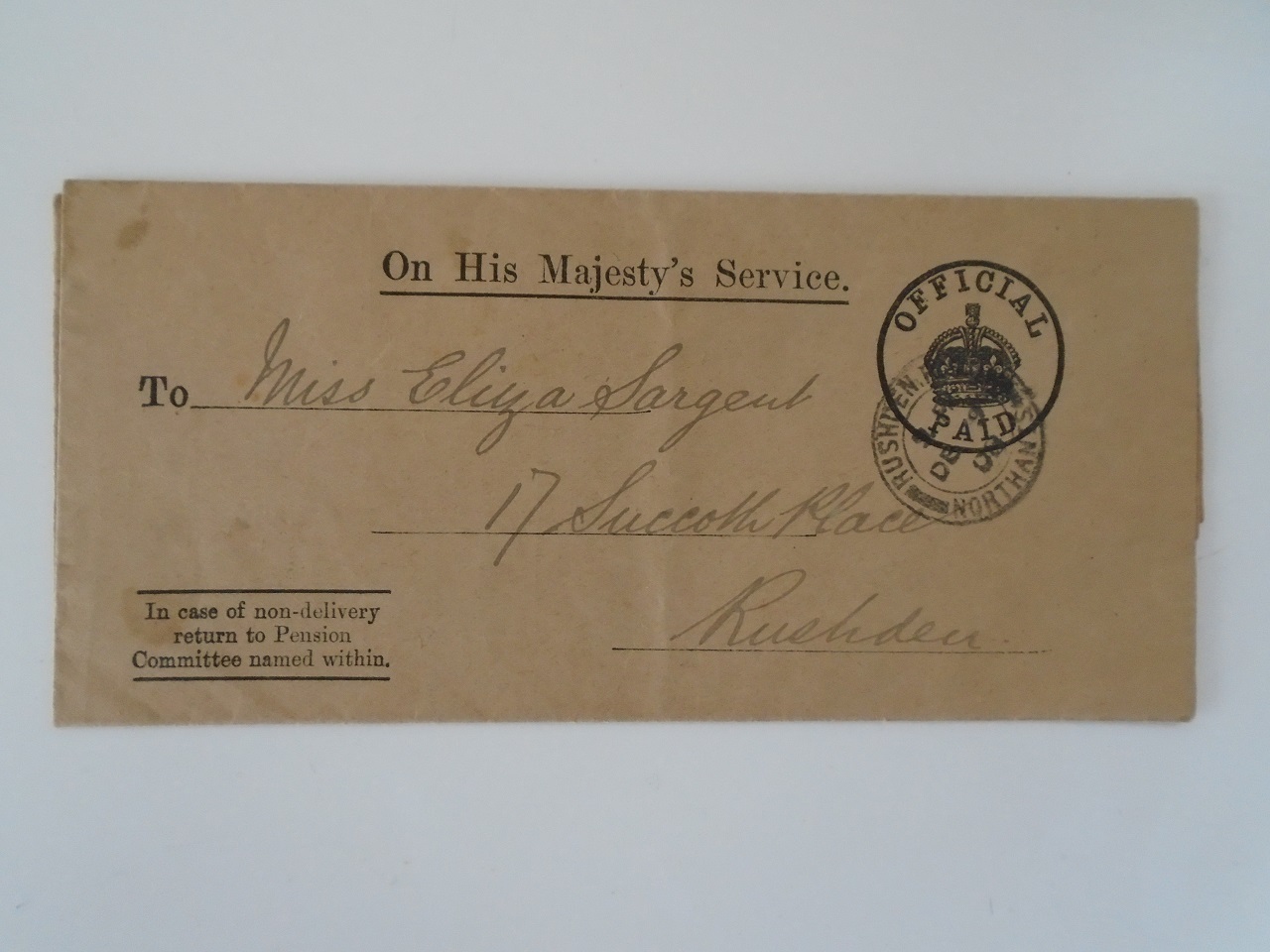
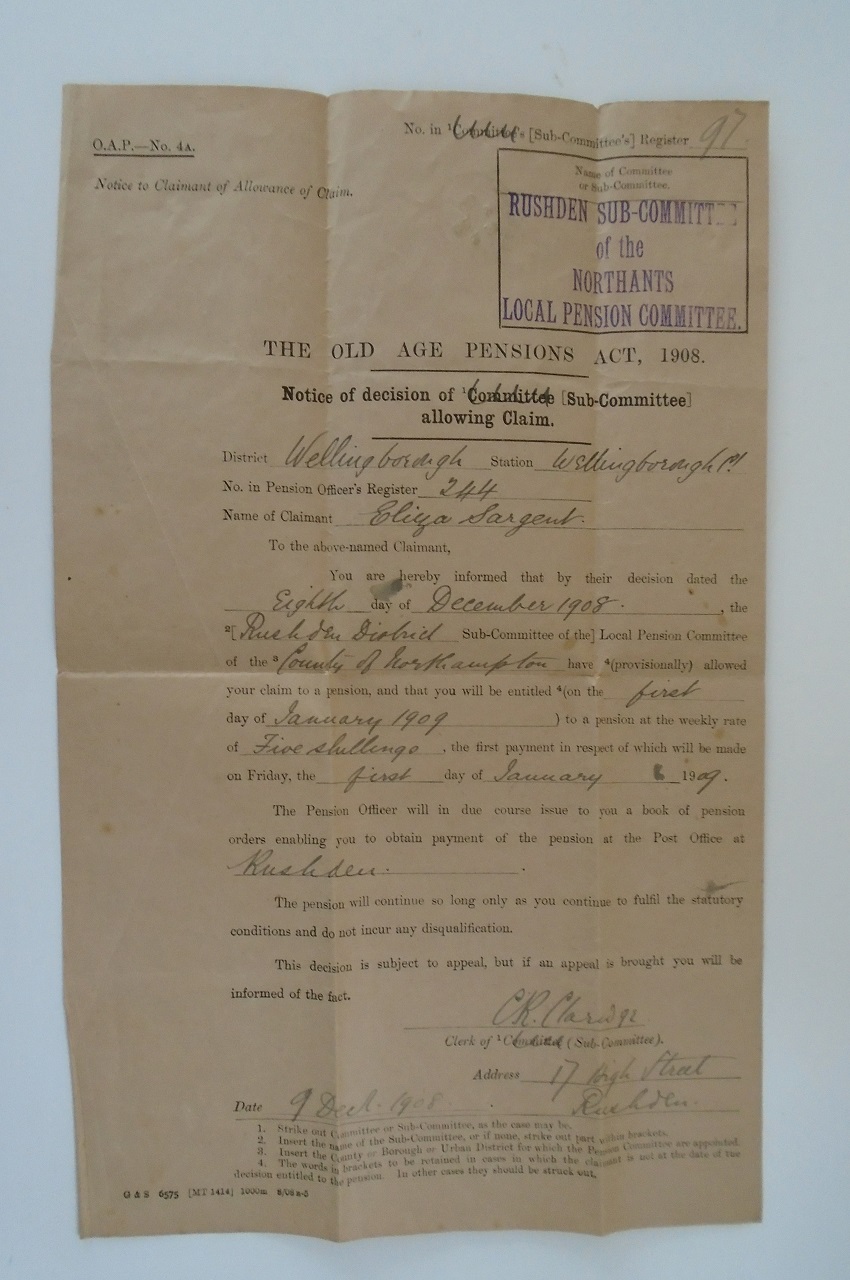
Behind the chapel was a row of cottages known as Succoth Place or Yard. In 1908 Eliza Sargent and her sister Ann were living at No. 17 where the family had lived since at least 1881. Neither of them had married. Their father, John Sargent had been a shoe maker and Eliza and Ann had both worked as shoe closers. Eliza, now aged 70, had applied for Old Age Pension and was awarded five shillings a week, the first payment to be made on the 1 January, 1909. The document is signed by C. R. Claridge, Clerk of the Sub-Committee, 17 High Street, Rushden.
Eliza lived to be 85, and was buried in Rushden Cemetery on 7 March, 1923.