
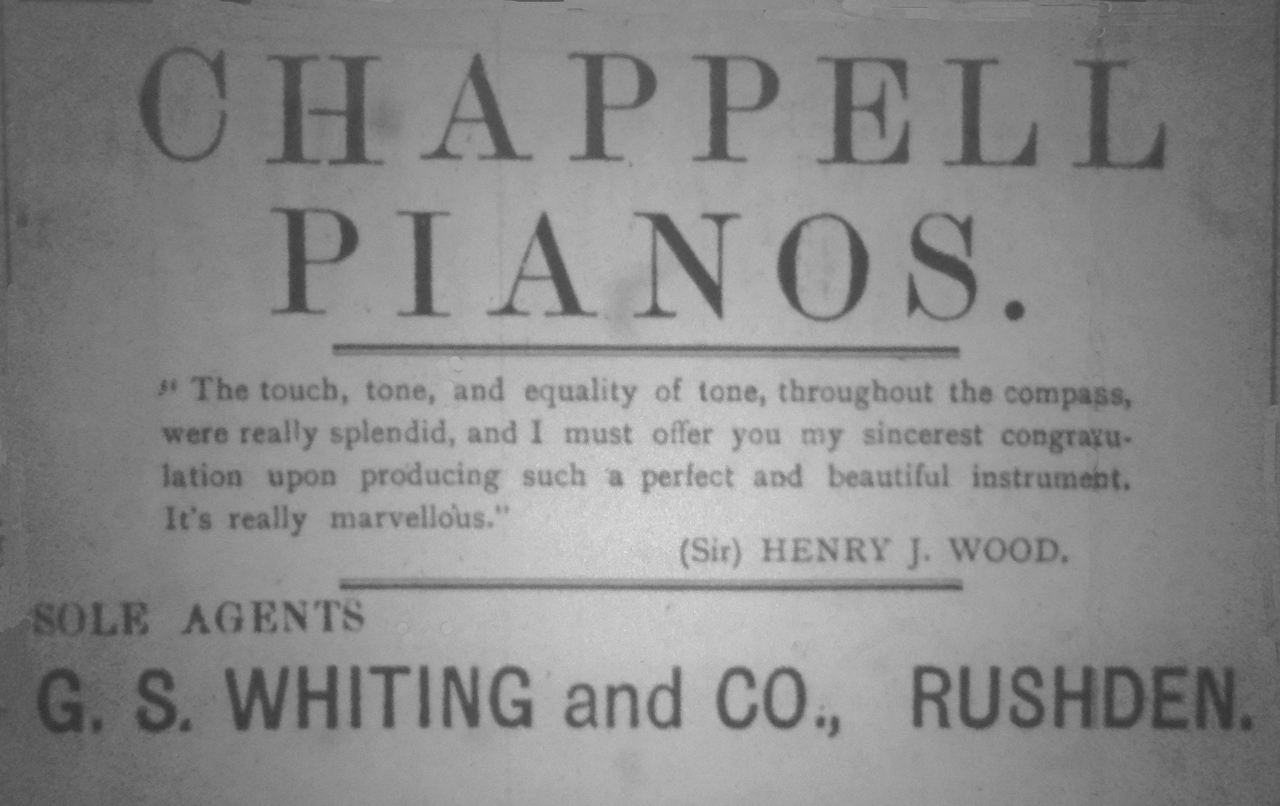
An advert taken from the Rushden Echo October 1919

A postcard showing Whiting’s shop to the right of the picture
At the Council meeting, held on the 8th October at the Council Buildings, it was stated that there were no horses available at the Remount Service at Market Harborough so the special committee who were dealing with the matter were instructed to purchase two horses as soon as possible.
In July 1919 Messrs. Campbell Praed and Co. Ltd. had applied for planning permission to build a house and shop on the corner of Church Street and High Street, but in October the Surveyor, Mr. W. B. Madin, met a representative of Messrs. Campbell Praed and he informed the Surveyor that the cost of rebuilding the property was prohibitive. If, however, the license could be transferred to another part of the town the building might be demolished and the site offered for sale.

The thatched building on the left of the picture is the one referred to.
A loan to cover the cost of the housing scheme was agreed with the Ecclesiastical Commissioners for £15,000 at a rate of 5½%.
It was also decided that the town should have a War Memorial and two suggestions were put forward. One was a Cottage Hospital and the other an Institute. A Town’s Meeting was called for and was held on the 24th October in the Co-operative Hall, Rushden. It was not well attended.
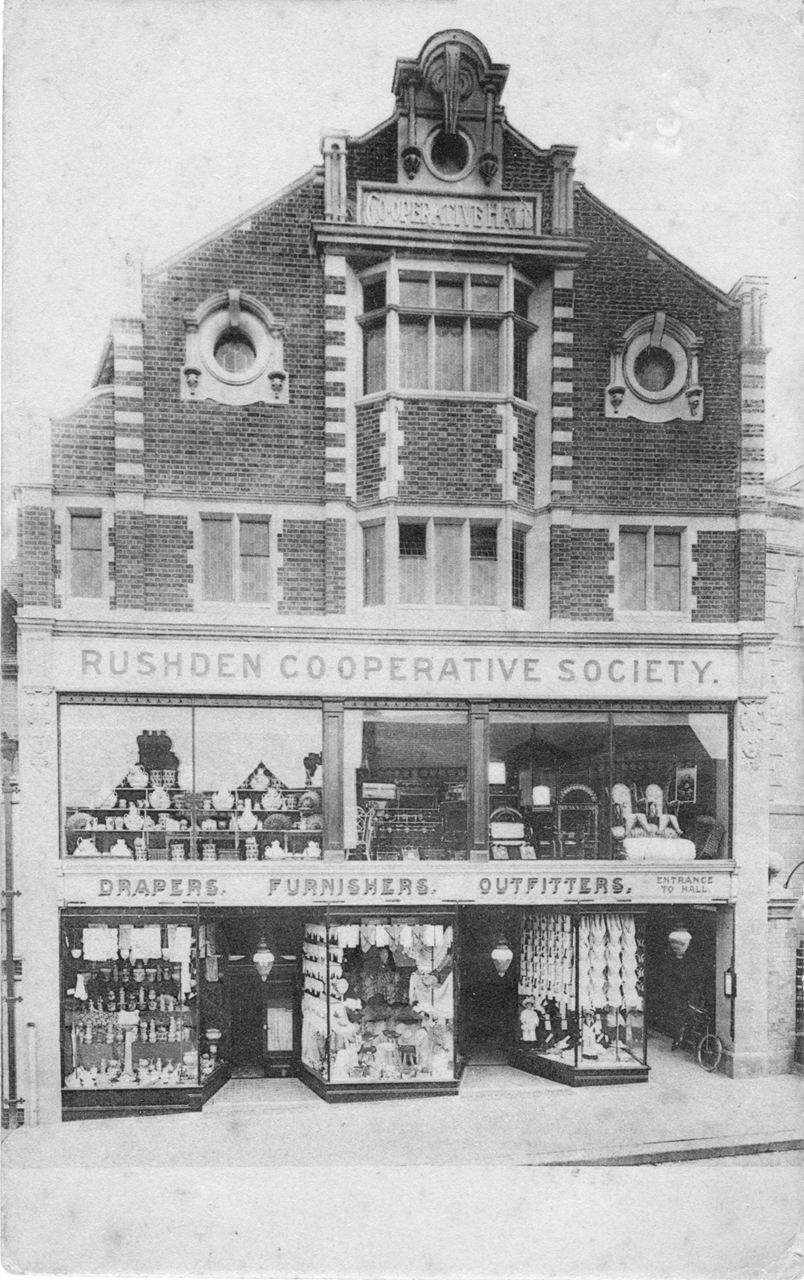
The Co-op shop with hall above which was opened in 1903.
The first scheme, for the cottage hospital was presented by Dr. Greenfield. It was proposed to erect a building to accommodate 20 patients, which would take the class of cases the county hospital would not admit. Northampton Hospital provided for practically all except two or three special cases, such as pneumonia, bronchitis, rheumatism and incurable diseases, and it was for the latter that the cottage hospital would provide. It was estimated that it would cost £10,000 to build and would need about £1,500 a year for upkeep.
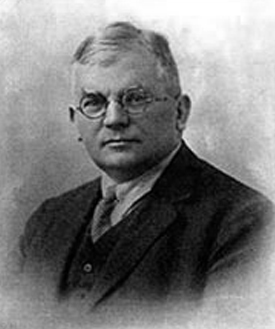
Dr. Greenfield
The scheme for the Memorial Hall or Institute was presented in a letter from Mr. John Claridge, which was read by the chairman, Mr. Fred Knight. Mr. Claridge could not attend because of illness. Mr. Perkins explained the need for an institute in Rushden and said it would be a place where all young people could meet. It would be a centre for all games and recreation. It would also be used for entertainment and concerts.
Mr. Claridge hoped that if neither scheme could be agreed upon there would be a suitable memorial on the green.
Mr. Perkins also felt that if either scheme was too ambitious he hoped they would see to it that a memorial of some sort would be erected.
After a long discussion it was agreed to ask the Rushden Urban Council and the two committees to arrange a poll of the town of all persons from the age of 18.

Mr. John Claridge
At Alfred Street School Henry Dunkley was presented with a wristlet watch in recognition of his remarkable record in school attendance. For ten years, he had never once been absent and never late. When he was in his eighth year he was troubled one day with his eyes, which were bandaged up, but his mother led him to school and told the teacher that if the boy’s eyes were bad so that he could not read or write, he could listen to what was said. Henry was the son of Mr. and Mrs. W. P. Dunkley of Victoria Road, Rushden.
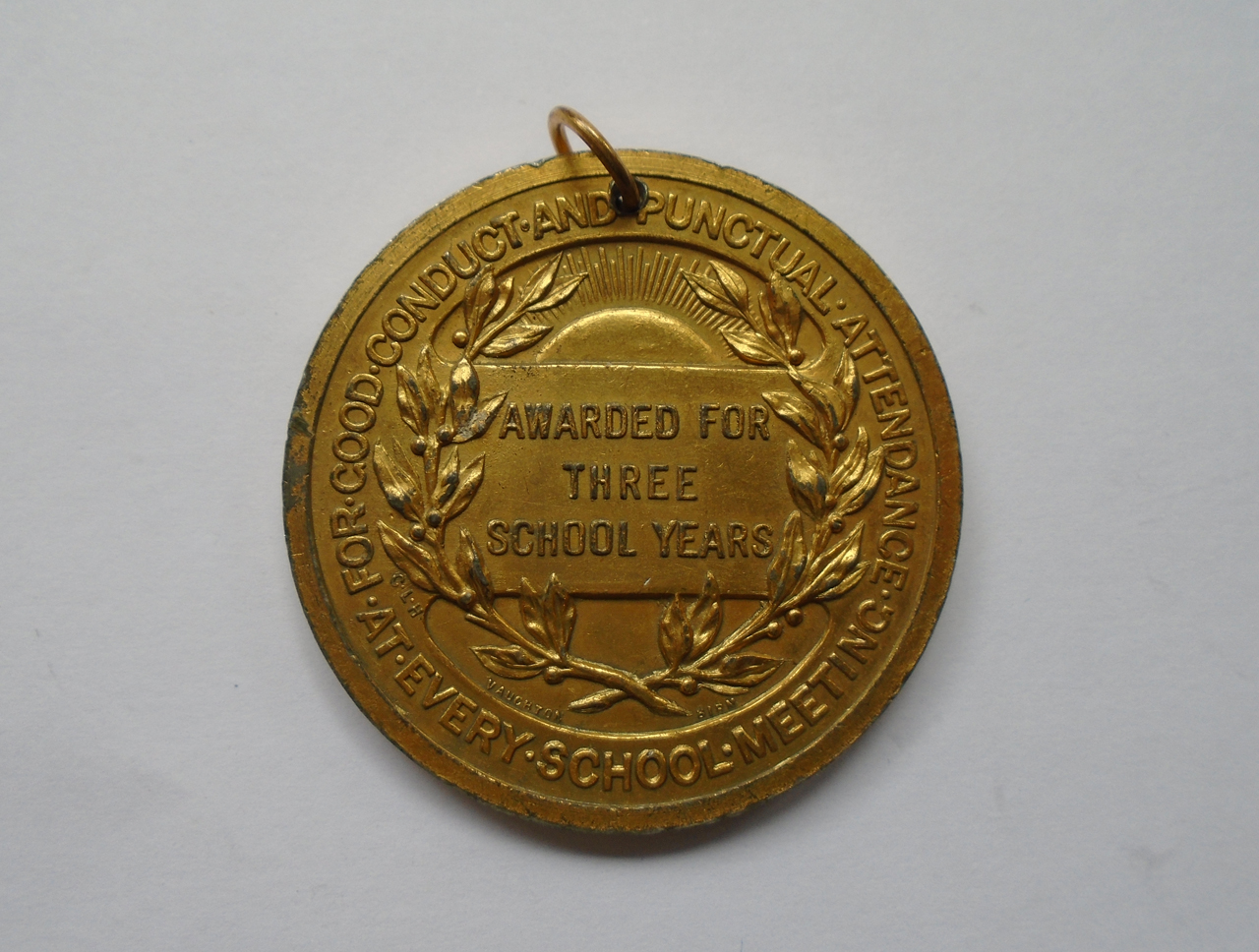
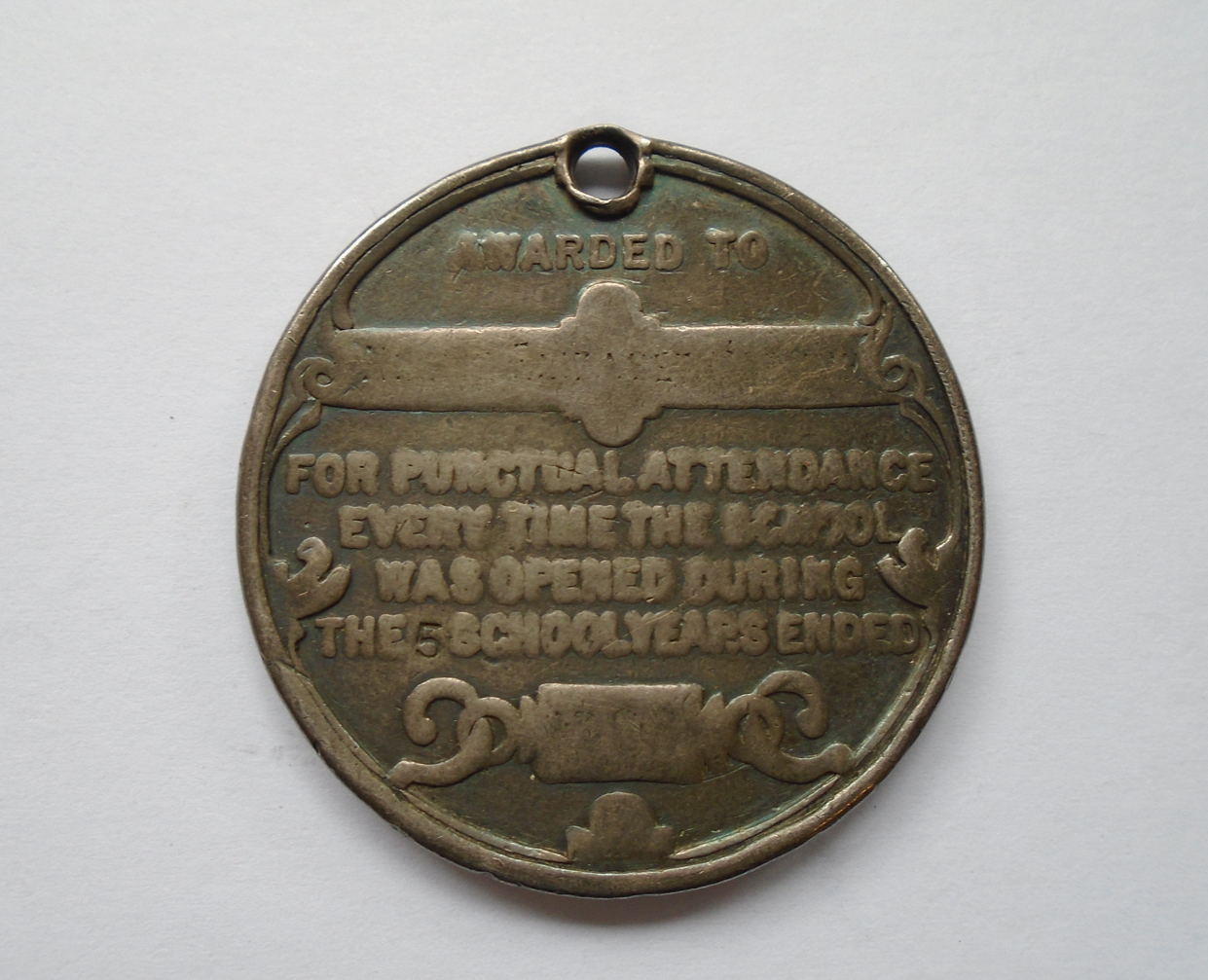
Medals were presented to Jessie Tuffrey, for two years’ perfect attendance; Bert Bailey for three years’ perfect attendance; Arthur Harris for five years’ perfect attendance; and a silver medal to Grace Morris for six years’ perfect attendance.
The attendance medals below are from the Rushden Museum collection and not the ones presented to the children named above.
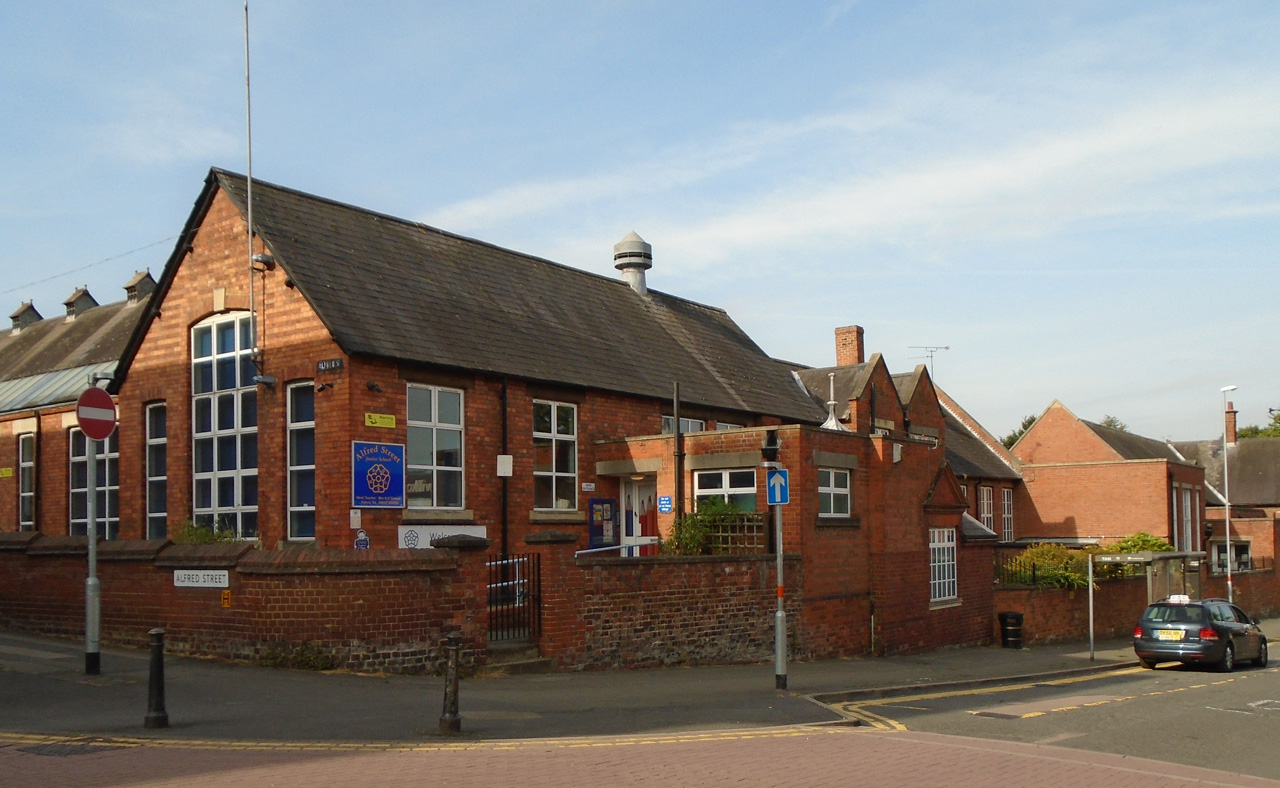
Alfred Street School