
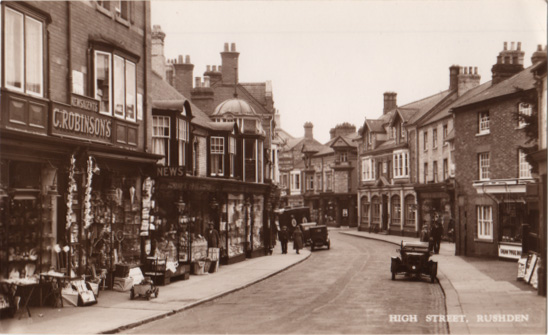
On 2 January 1925 the Rushden Echo reported that Mr. W. B. Sanders had made a New Year resolution to take more leisure in 1925. He had decided to retire and leave the business, Messrs. Sanders and Sanders, in the hands of his sons. William Benjamin Sanders was apprenticed to the boot trade and then went to work as a clicker in London. He returned to Rushden in 1871 and he and his brother, Thomas, set to work in a little shop of their own next to the New Inn (now the Railway Inn) in High Street. They occupied the factory on the corner of High Street and Station Road until 1913 when the factory in Spencer Road was built. The factory was badly damaged by fire in 1924 but was rebuilt and is still in business today. Mr. Sanders was not going to retire from his work as a School Manager, a position he had held for 12 years, and his interest in Rushden was unflagging. He was also a member of the Park Road Baptist Church.
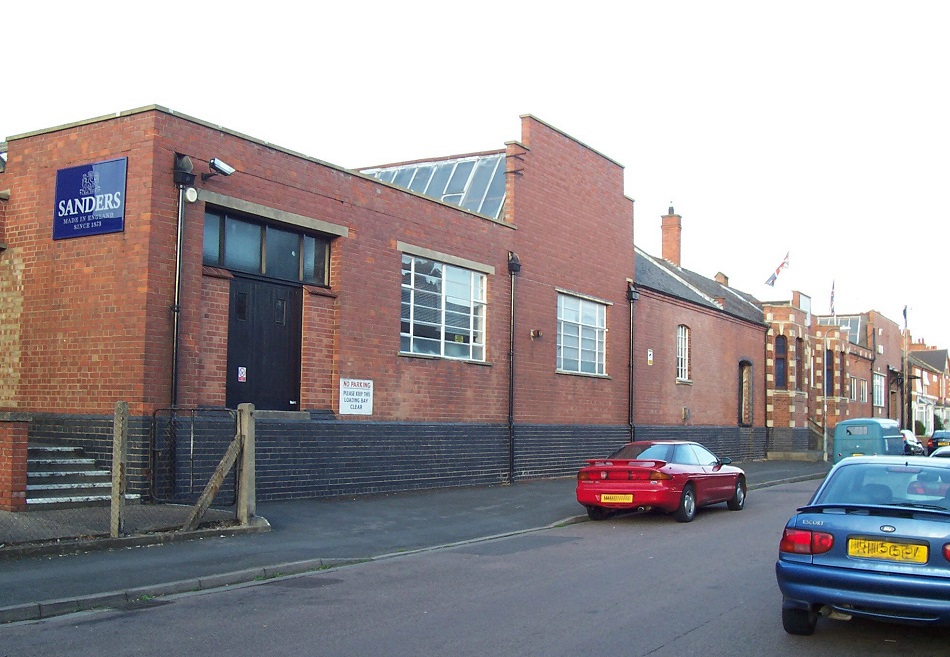
Sanders and Sanders factory in Spencer Road, Rushden
At the meeting of Rushden Urban District Council, on the 14 January 1925, the housing situation was discussed. The Surveyor, Mr. W. B. Madin, reported that during the past year 75 houses had been completed, and on 31 December 35 houses were in course of erection. Mr. Spencer thought the figures were not satisfactory, with only 18 Council houses being completed during the year. The private builders would not take on building the Council houses, and as there were building workers waiting to do the work it was suggested that the Council should have their own building department and build the houses themselves.
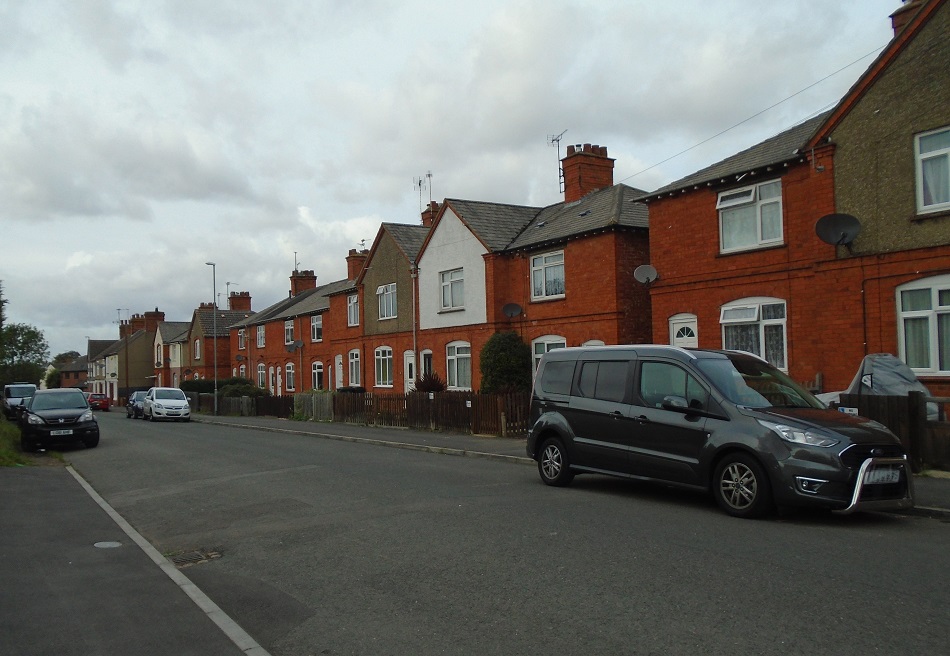
Council Houses in Trafford Road, built in the 1920s
At the same Council meeting, road improvements were discussed. It was planned to improve Newton Road and the Surveyor was instructed to seek tenders for pulling down the “Clerk’s House”.
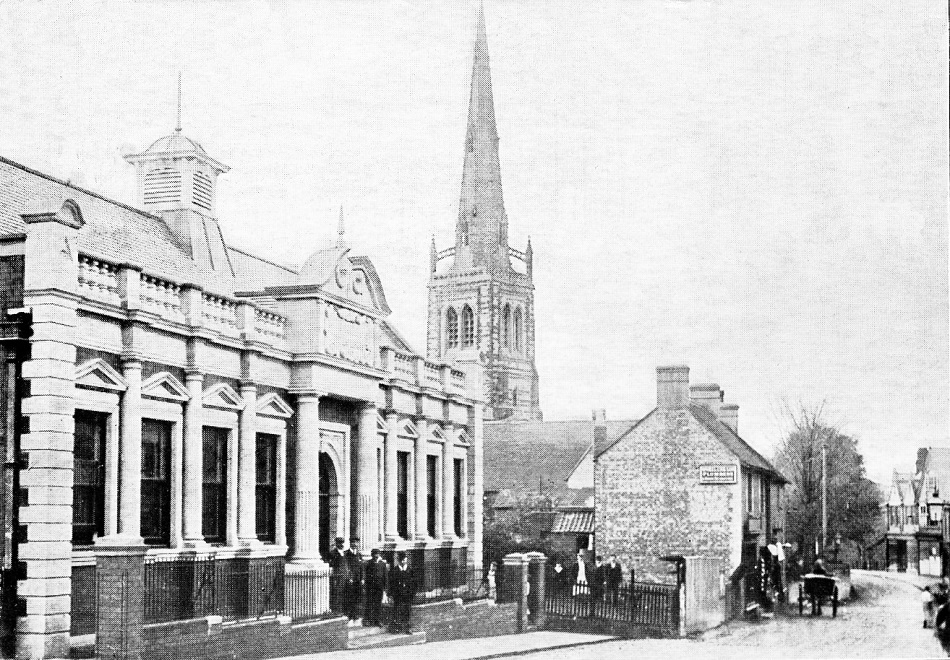
Newton Road with the library on the left and the Clerk’s House
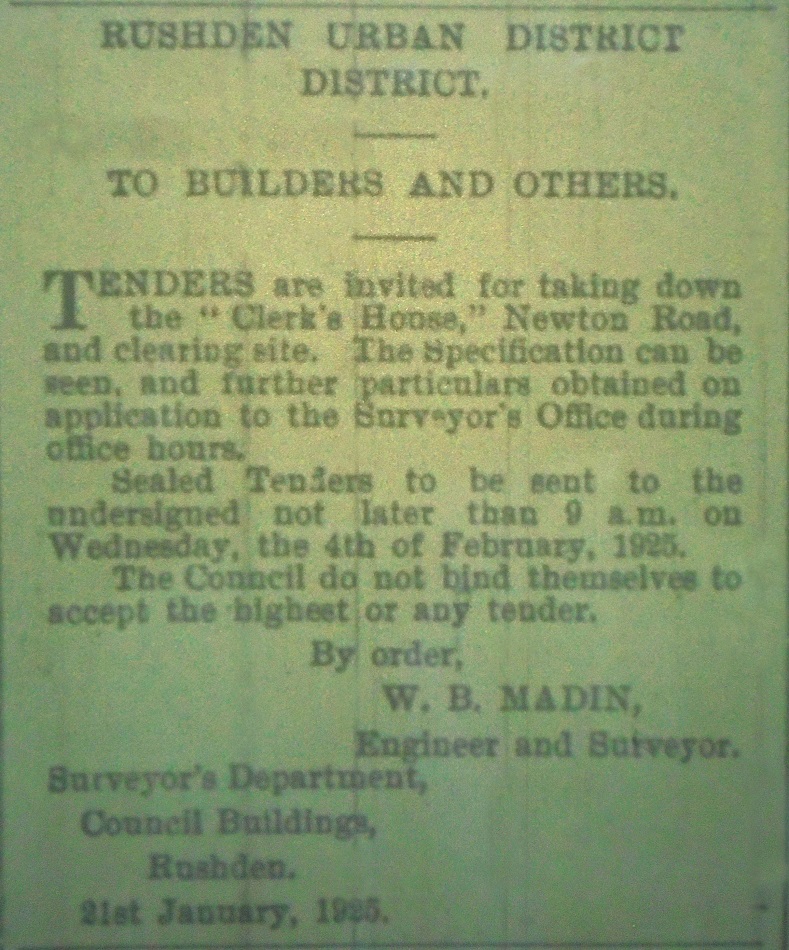
The advert in the Rushden Echo
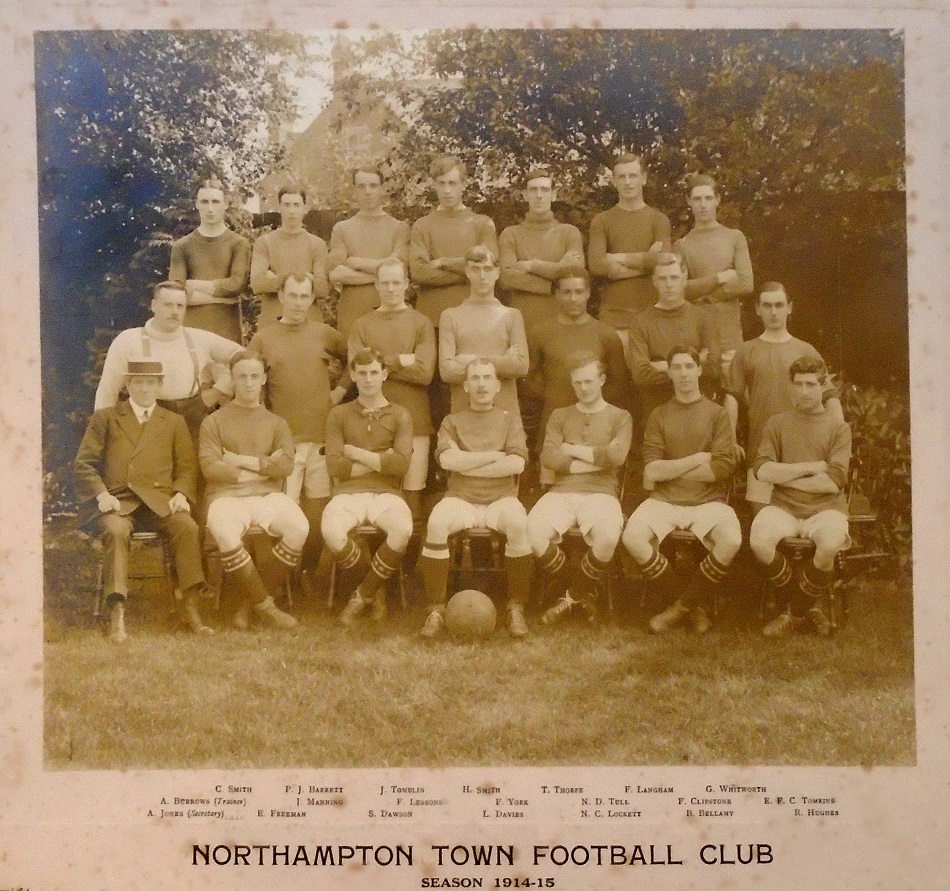
On the 9 January it was reported that Mr. Eric Tomkins had won a £5 prize in the weekly journal “Tit-Bits” and that Mr. Charles Robinson, the newsagent who sold him the paper, was to receive 10s. Eric Tomkins was selected to play for England Schoolboys under 14 level in 1907, and was signed for Northampton Town Football Club in 1911. During his career he was capped for England’s football and cricket teams, and played for Northampton and Southampton before becoming manager/coach of Notts County just before WWII. In later life he became a FA coach for 150 schools in Northamptonshire and 130 schools in Bedfordshire
During a meeting of the Evening Class Committee on the 13 January, several members expressed their appreciation of the valuable instruction given at the classes, the success of which promised to be well up to former years. The classes for women and girls were especially well attended. A discussion followed regarding the establishment of a technical institute for Rushden. It was pointed out quite a number of the unemployed in the boot trade were young persons who were capable of performing only one particular operation, and that the practical instruction to be received at technical classes must prove to be an advantage in such cases.
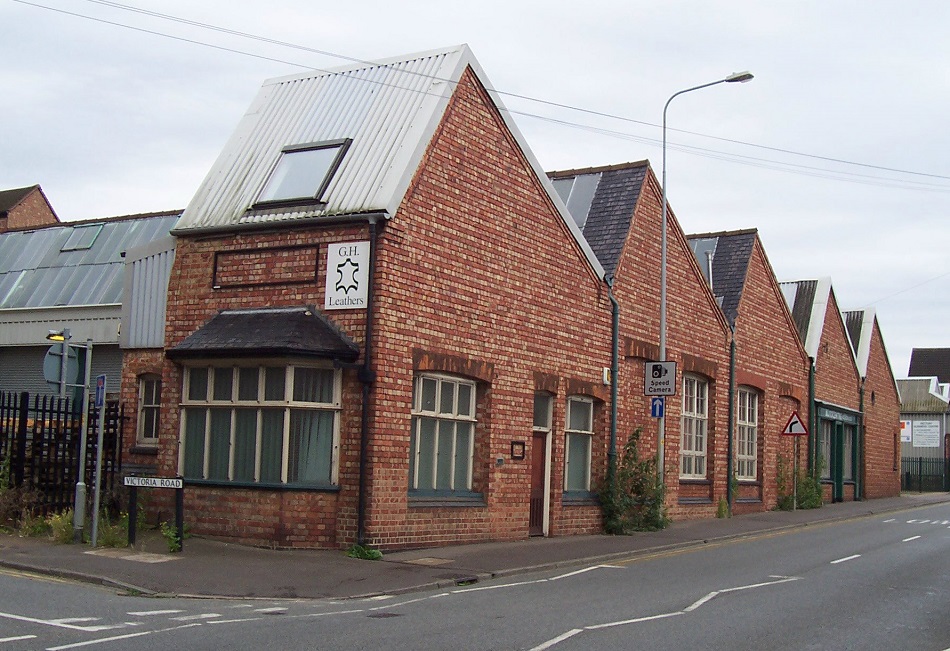
The Boot and Shoe School in Rectory Road which was finally opened in October 1928
On 24 January there was to be an eclipse of the sun from about 3pm to 4pm, and as it was so late in the afternoon the Rushden Echo suggested it would be possible to watch the eclipse with the naked eye. However, the next week it was reported that the event was hardly noticeable in Rushden as cloudy weather spoiled any attempt to see the moon passing over the sun, through darkened glasses or otherwise. It was thought that most of the people who spent the afternoon at the football match showed too much interest in Rushden’s eclipse of Wolverton to worry about the sun.