

This weekend, 29 and 30 of October, is the last weekend of the 2022 exhibition “One Thing Leads to Another.” This exhibition has been running for two years owing to the difficulties caused by Covid, which meant that 2021 was a very short season. We made a few changes and added in displays to celebrate the late Queen’s Platinum Jubilee, Alfred Street School’s 150th anniversary, and the 75th anniversary of J H May (Electrical) Ltd. This exhibition will finish when the museum closes on Sunday at 4 p.m.
Next week we will start dismantling and packing everything away in readiness for the 2023 exhibition which will be the Boot and Shoe industry in Rushden. Boot and shoe making was the staple trade in Rushden from the mid 1800s to the 1960s when the industry in the town began to decline. With the coming of the factories Rushden grew from a village into a thriving town. Many houses were built and it became necessary for Rushden to have a railway in order to transport the boots and shoes. The branch line was opened for freight in September 1893 and for passengers in May 1894.
Many houses had small ‘shops’ at the back which were used for making shoes but with the coming of machinery and the large factories most of these disappeared.
There were other industries relating to the shoe trade in the town, from making the machinery to making the boxes to pack them in.
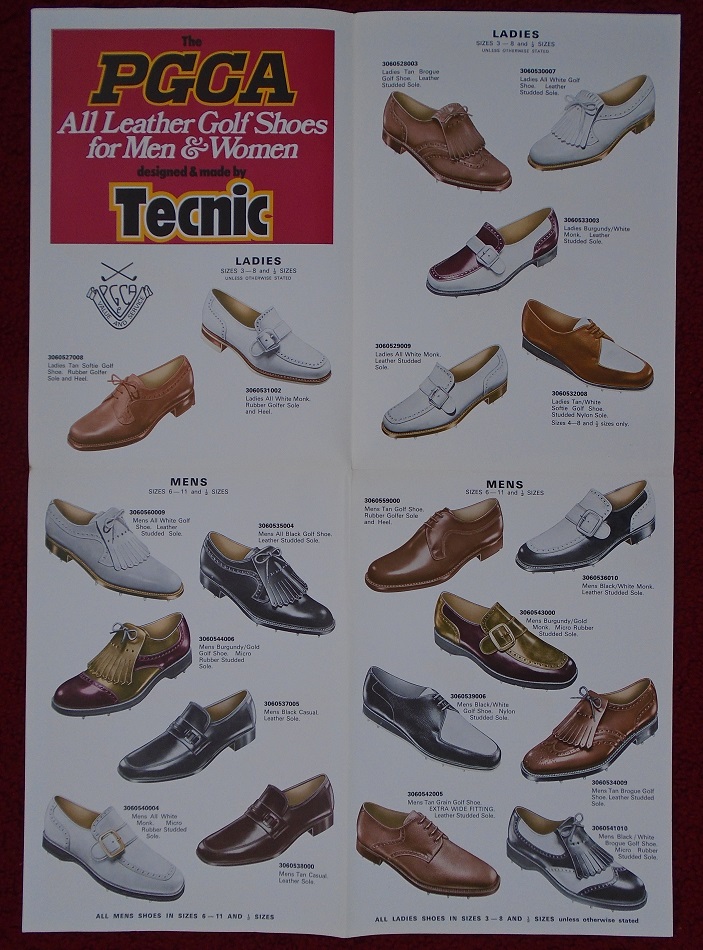
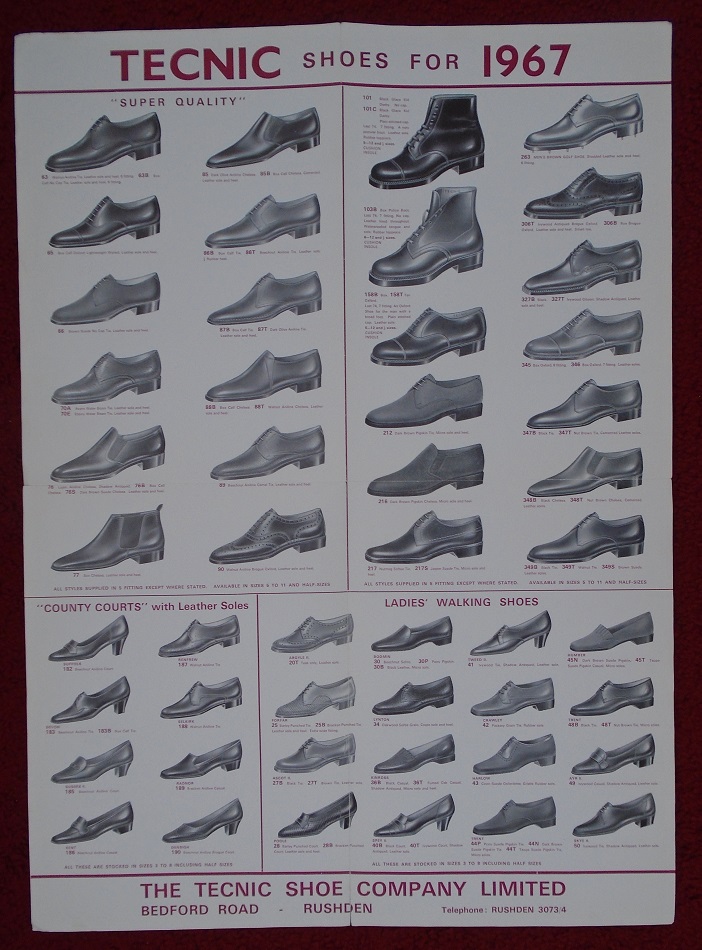
In November 1922 plans were passed for a new factory in Bedford Road for the Tecnic Boot Co. The cost was approximately £8,500 and it was opened in 1923.
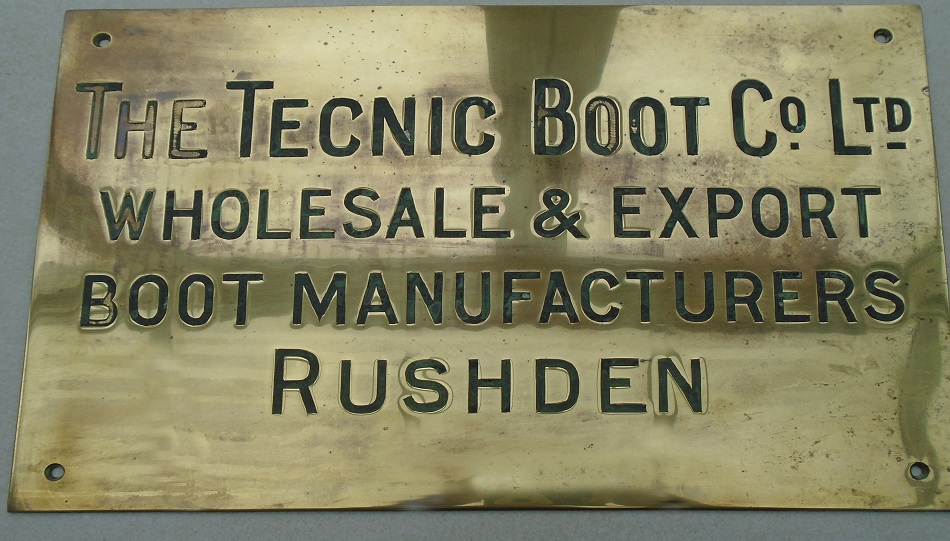
The brass plate from the Tecnic Boot Co. Ltd.
Also in November 1922 a meeting was held in London between representatives of the Manufacturers’ Association and the Executive of the National Boot and Shoe Operatives’ Union to negotiate new wages. At that time the minimum wage for day-workers was £3 per week for men and £1 16s for women. Piece-workers received 25% more than those rates.
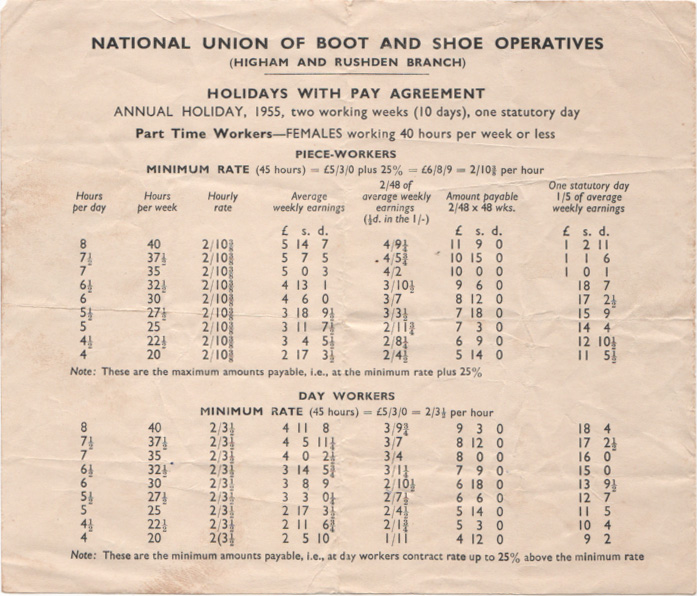
Rates of pay in 1955
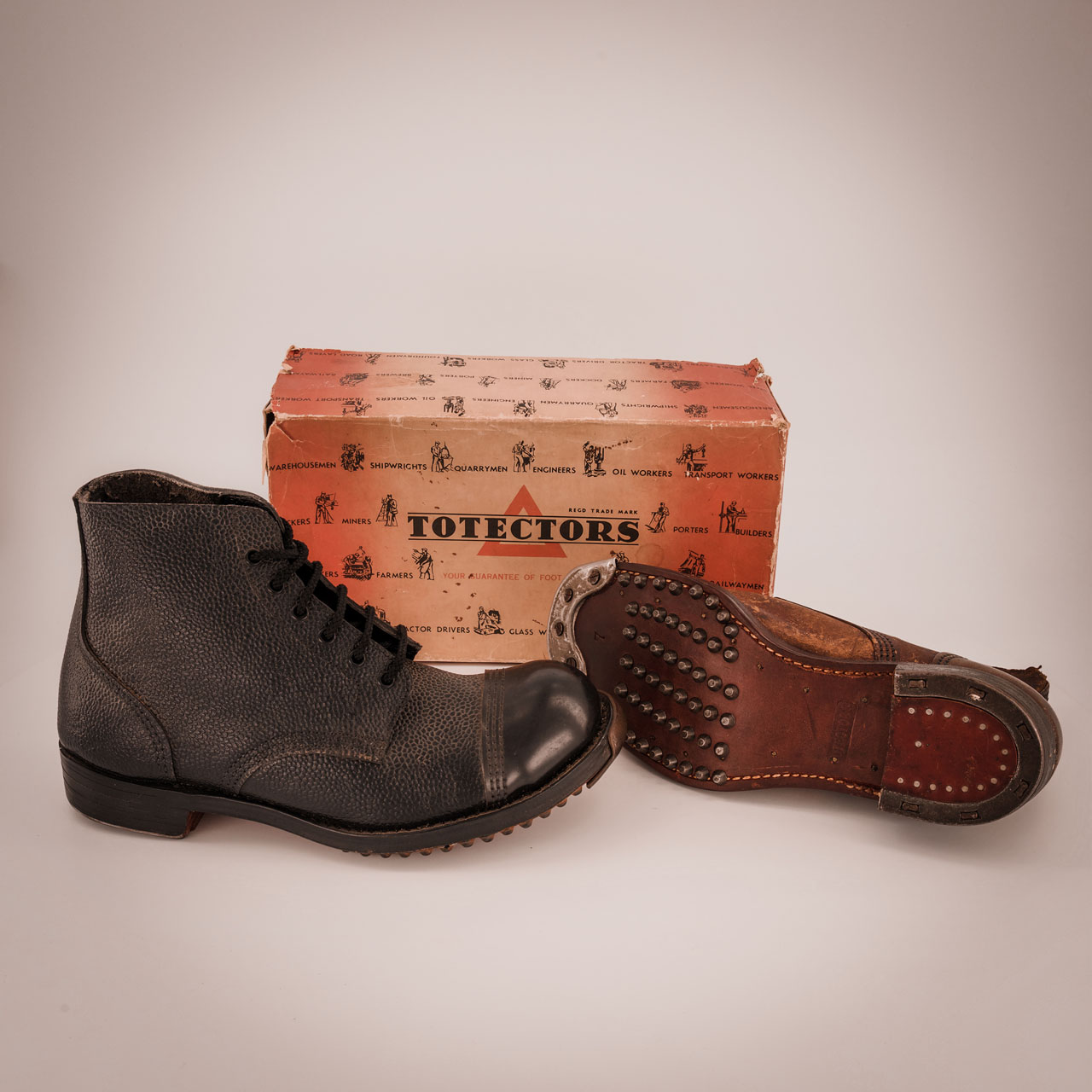
Totectors boots made in Rushden

John White shoes made in Rushden