

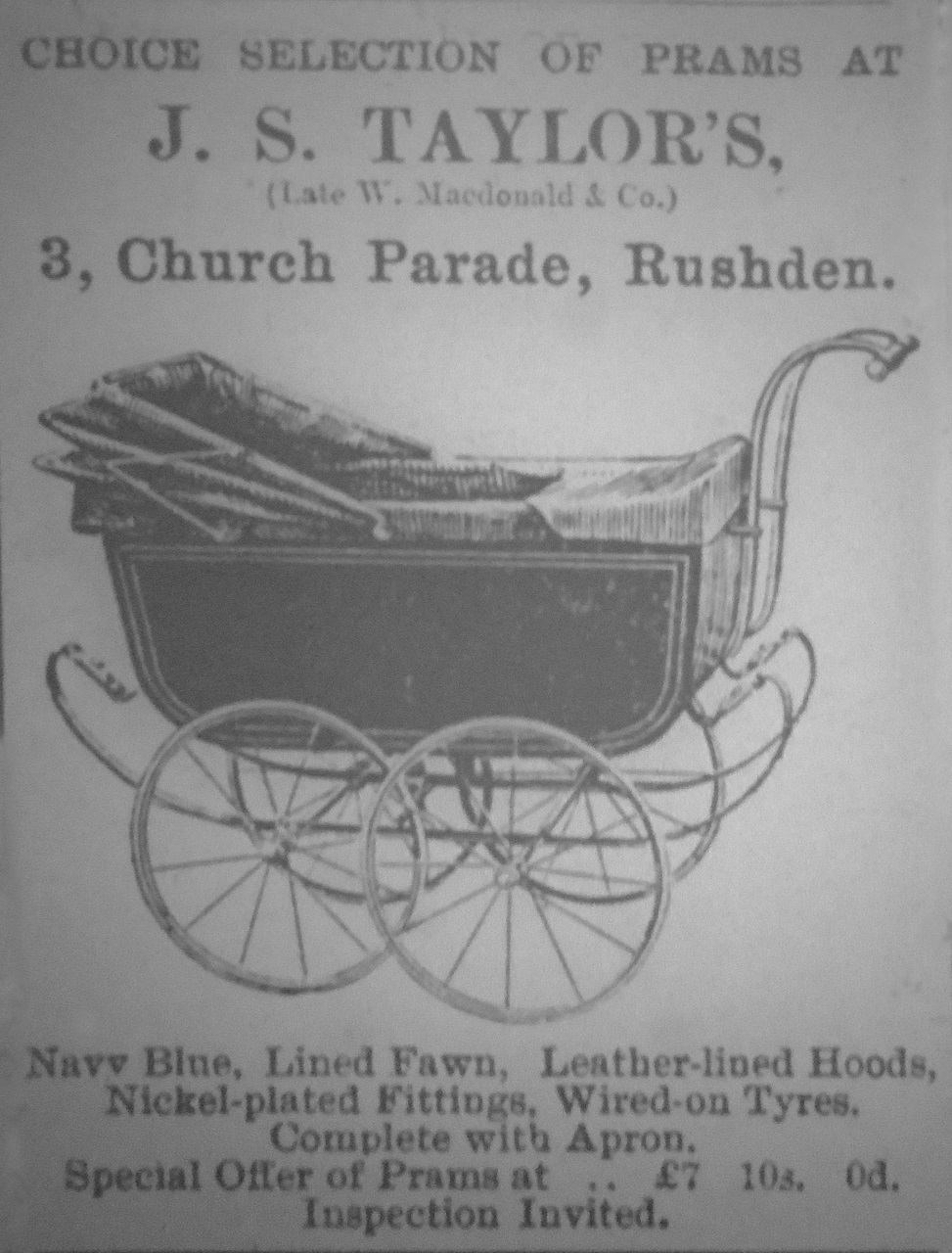
An advert from the Rushden Echo

A brass plate from the Registered Office of
J. S. Taylor Limited

Two invoices from J. S. Taylor Limited dated August and September 1940
On 1 July, 1921 the Rushden Echo reported that the Boot and Shoe Operatives’ Union had paid £150,000 in unemployment benefit during the past twelve months.
Railway workers’ wages were to fall another 5s., owing to the reduced cost of living, and wages in the textile trades, under a new agreement, were to be reduced 16¼ per cent. Workers in the cotton mills accepted a reduction of 3/10 in the £ at once and a further 7d. in six months. The highest price realised at the Thrapston Wool Fair was 1s. 0¾d. per pound, compared with 3s. 9d. the previous year.
The Housing Commissioner stated that no further loans were to be granted for rural district housing schemes.
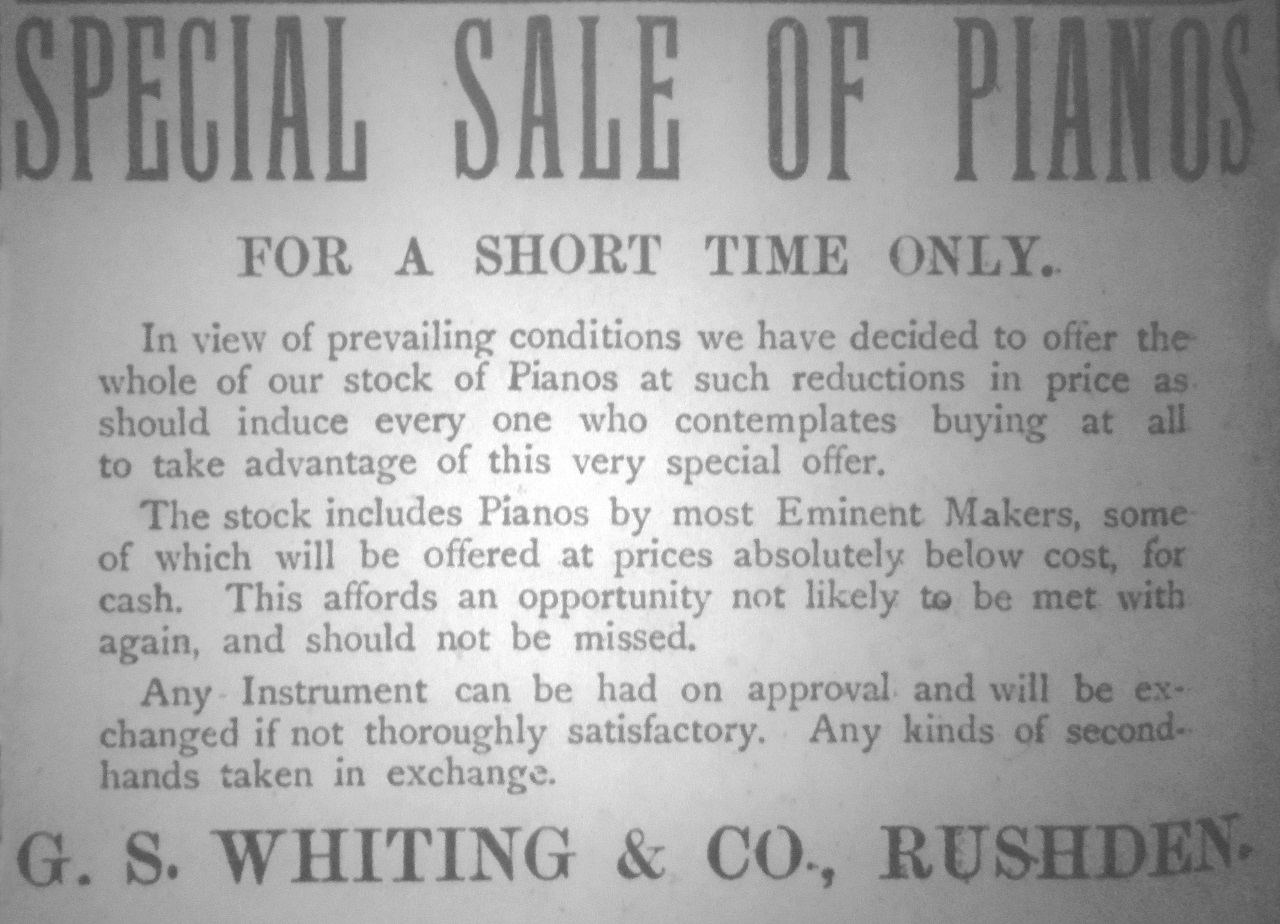
An advert from the Rushden Echo – a sign of the difficult times.
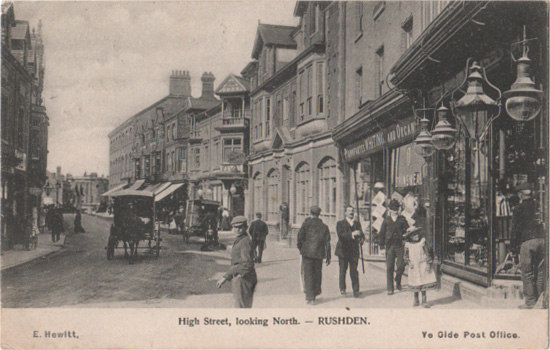
A post card of the High Street showing Whiting’s shop
The Old Age Pensions Committee received five claims (four from Rushden and one from Wollaston), and all were passed at the full amount. The Committee had received a letter from the Rushden Women’s Co-operative Guild asking the committee if they would press upon the Government the necessity of introducing a Bill to provide that every person, irrespective of income, should be entitled to an old age pension at the age of 65. The Committee were sympathetic to the proposal, but felt that the time was not right for an increase in the national expenditure.
The Cemetery Registrar submitted his half-yearly report to the Council. During the half-year ended 30 June, 1921 there had been 73 burials, eight headstones had been fixed, 14 graves enclosed with kerbing, and six additional inscriptions had been cut on existing memorials. The fees collected amounted to £118/10/- and none were outstanding.
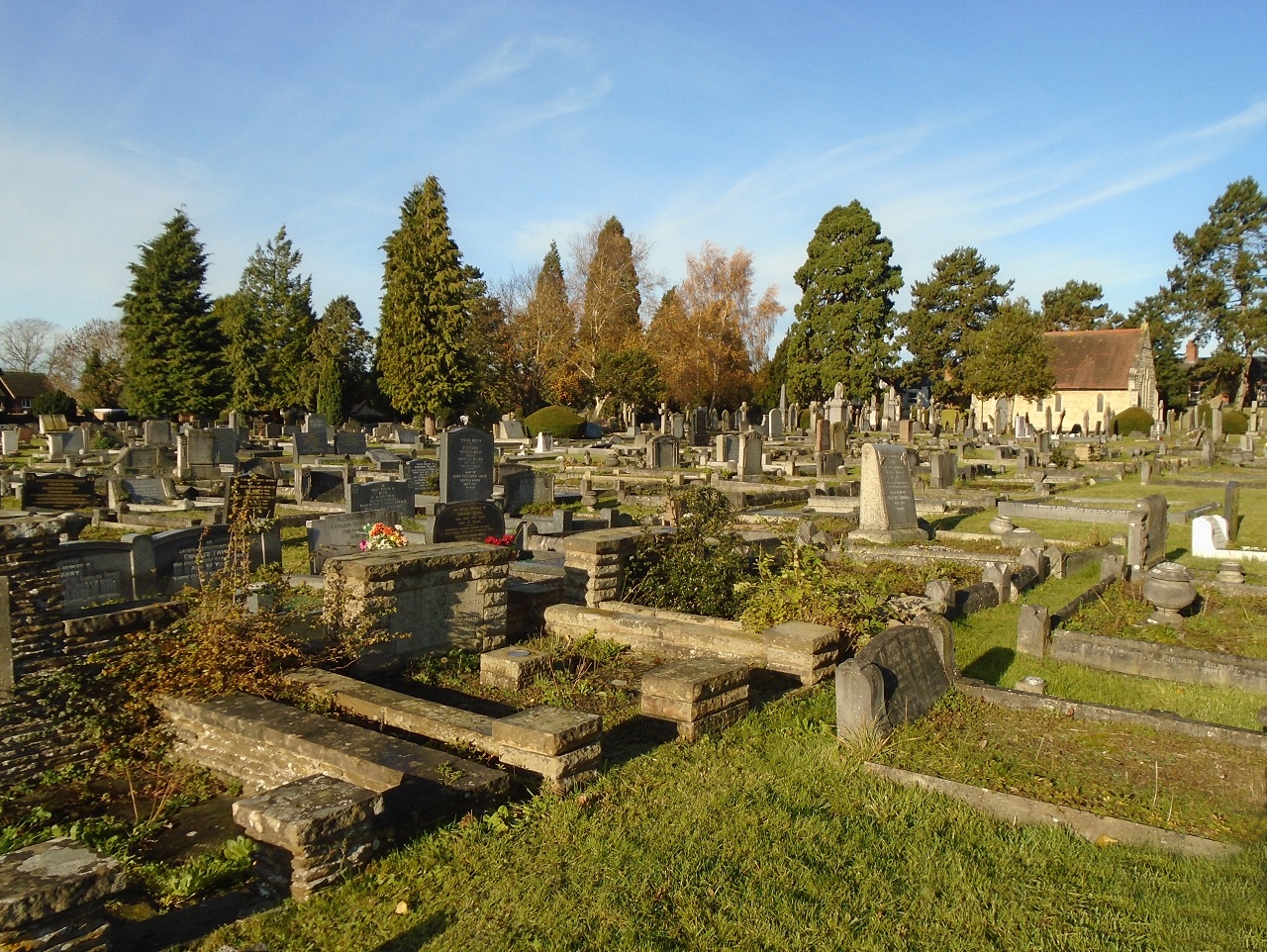
Rushden Cemetery
At a meeting of the Education Committee the Attendance Officer reported the following attendances:- Newton Road Mixed School – 94.5%; Alfred Street Mixed – 91.7%; North End Mixed – 91.0%; Church of England Mixed – 90.3%; Newton Road Infants – 92.9%; Alfred Street Infants – 92.2%; North End Infants – 99.7%; Moor Road Infants – 91.5%; Church of England Infants – 85.1%. It was pointed out that attendances at North End and Church of England Infants schools had been affected by an epidemic of mumps.
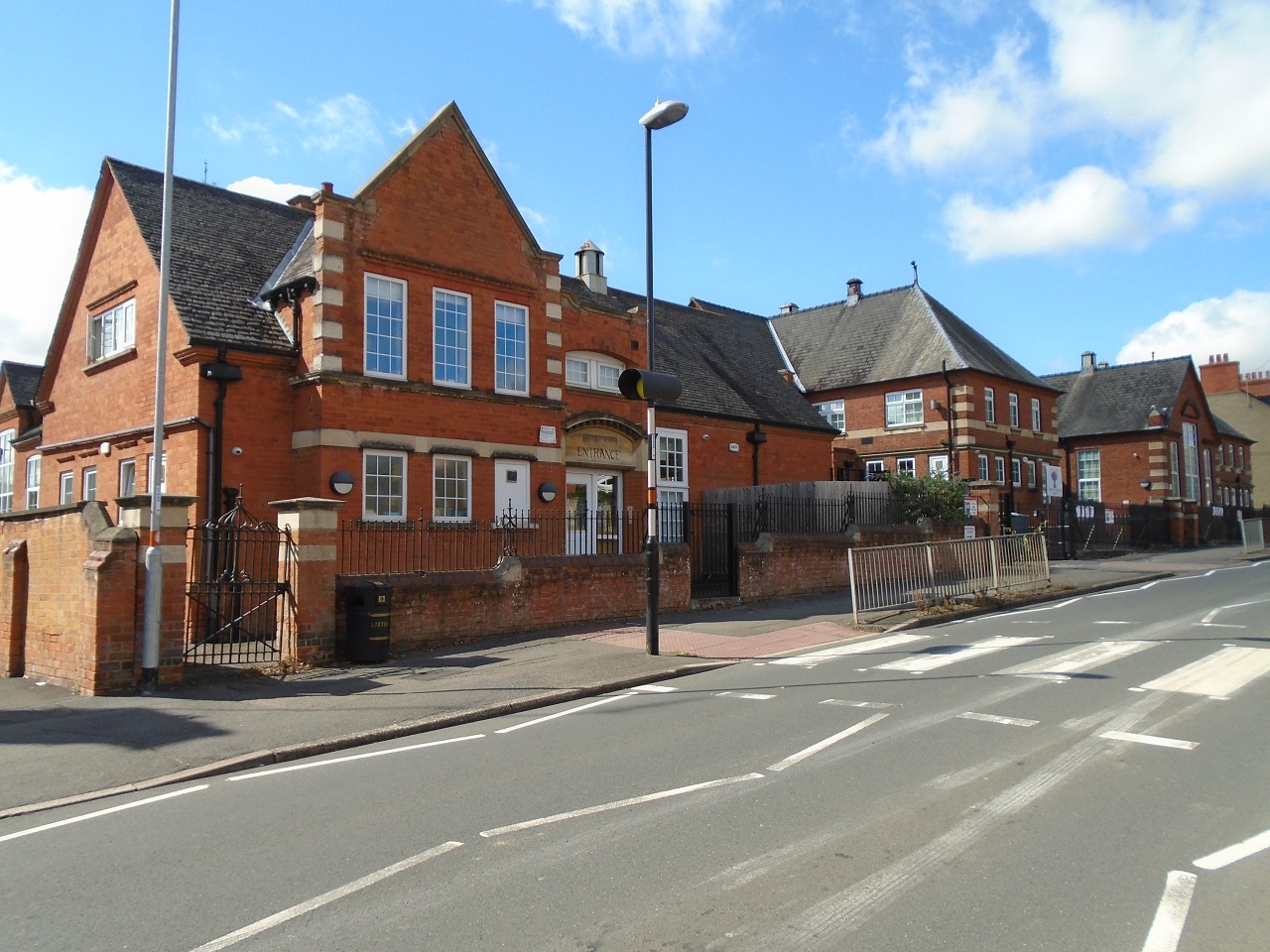
North End Schools
At a combined meeting of the Men’s and Women’s Adult Schools it was reported that negotiations were in hand with Mr. J. Jaques for the purchase of a plot of land having a frontage on Duck Street. Two houses and some out-houses stood on the land, one of the houses being occupied by Mr. J. Paragreen, coal merchant. Mr. Jaques was willing to sell the land, which was 1,811 square yards, to the schools for £480, which was considerably less than he paid for the land and property himself. It was unanimously decided to purchase the land.
A fund for a building had been started some time previously, and whilst the two schools had been able to meet at the St. John Ambulance Headquarters the fund had been growing. It was hoped that once they were able to purchase the land a temporary structure could be erected, with a permanent building in a year or two.
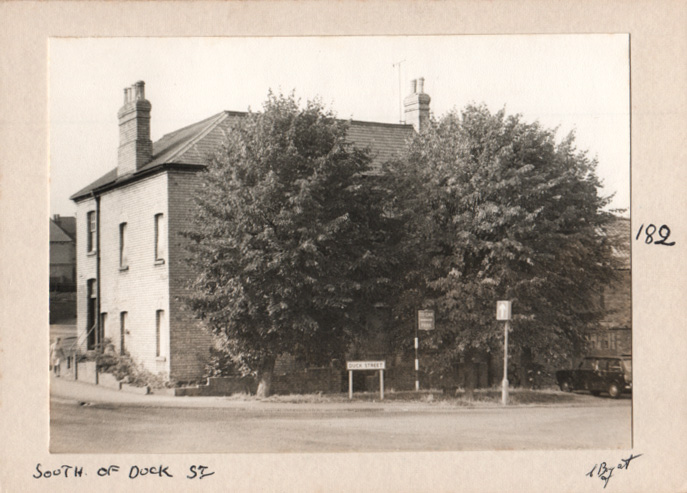
The Wellingborough Road end of Duck Street
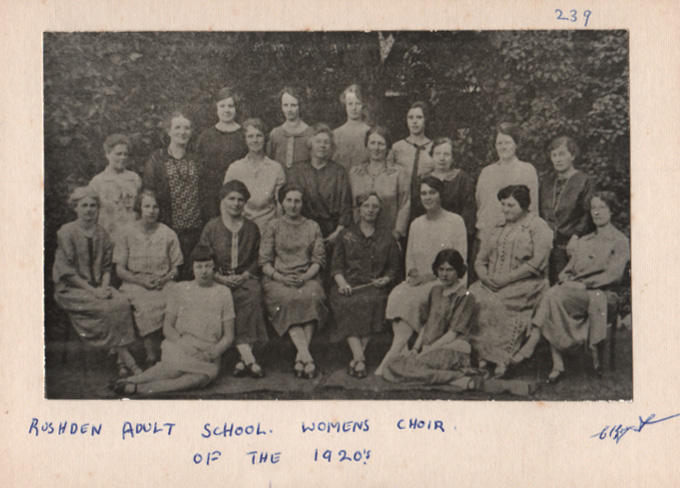
The Rushden Adult School Women’s Choir – 1920s
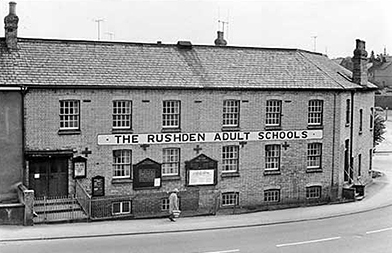
The Rushden Adult Schools opened in 1923